

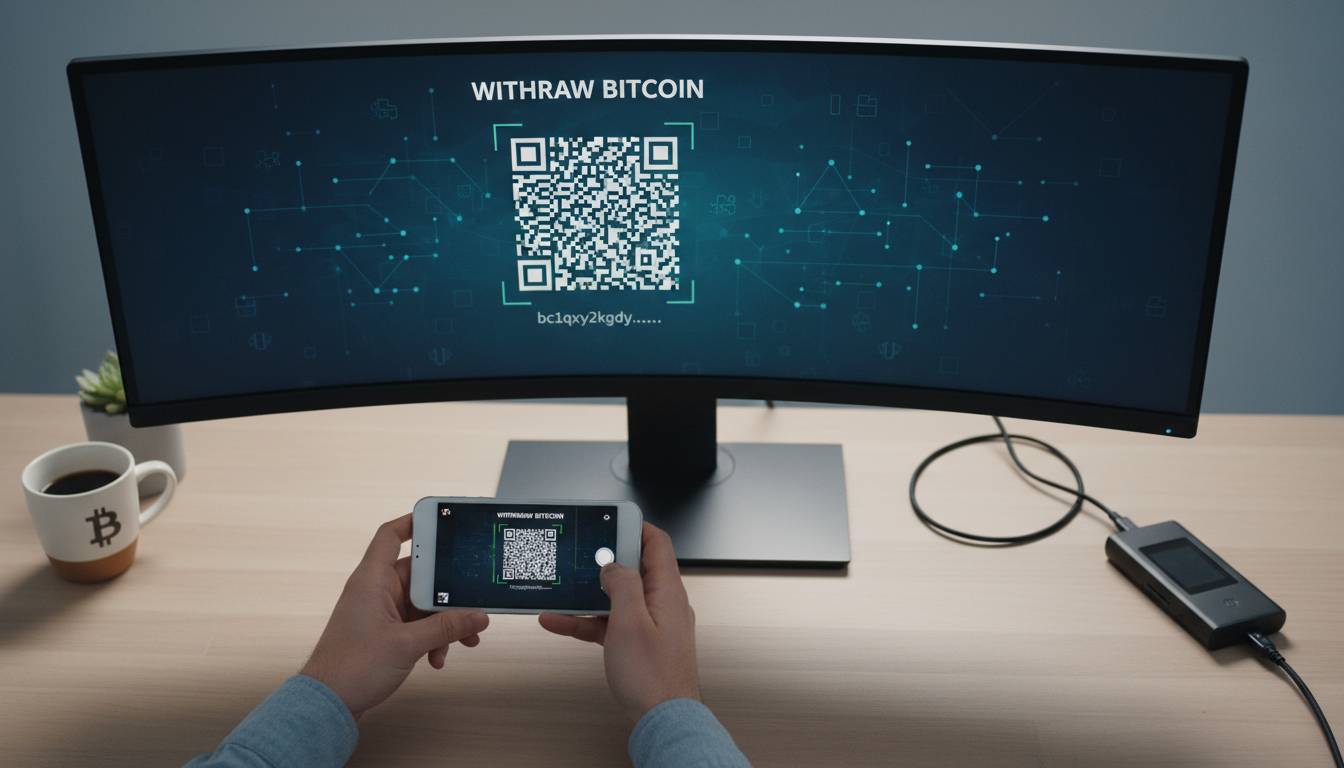
Transferring cryptocurrency to a personal wallet remains one of the most critical skills for any crypto holder. While exchanges offer convenience, keeping your digital assets on centralized platforms exposes you to counterparty risk, regulatory uncertainties, and potential security breaches. According to Chainalysis, approximately $3.8 billion in cryptocurrency was stolen in 2022 alone, with a significant portion targeting exchange-held funds. This guide walks you through the complete process of transferring crypto to your wallet safely, covering everything from wallet preparation to advanced security considerations.
Understanding Crypto Wallets and Transfer Basics
A cryptocurrency wallet does not actually store your digital assets—it stores your private keys, which allow you to access your coins on the blockchain. When you transfer crypto to a wallet, you are essentially sending control of those assets to addresses only you can unlock. Understanding this fundamental distinction separates novice holders from informed users who protect their assets effectively.
Hot wallets connect to the internet and include mobile apps, browser extensions, and exchange default wallets. They offer convenience for frequent trading but remain vulnerable to online attacks. Cold wallets, including hardware devices and paper wallets, remain offline and provide superior security for long-term storage. The choice between hot and cold storage fundamentally shapes your transfer strategy and security posture.
Every crypto transfer requires three essential pieces of information: the recipient’s wallet address, the correct blockchain network, and sufficient network fees to process the transaction. Sending $100 worth of Bitcoin on a network with a $50 fee makes no economic sense, yet countless users make this mistake daily. The blockchain you choose must match what the receiving wallet supports—a common error that results in permanent fund loss.
Preparing Your Wallet for Receiving Crypto
Before initiating any transfer, you must ensure your wallet is properly configured and ready to receive funds. This preparation prevents the most common causes of lost cryptocurrency during transfers.
Step 1: Choose and Set Up Your Wallet
Select a wallet compatible with the cryptocurrency you intend to transfer. Bitcoin (BTC) requires a Bitcoin-compatible wallet, while Ethereum (ETH) needs an ERC-20 compatible wallet. Multi-chain wallets like MetaMask, Trust Wallet, or Ledger hardware devices support multiple blockchains, but you must still ensure network compatibility.
Download wallets only from official sources—the Apple App Store, Google Play Store, or official websites. Malicious apps impersonating legitimate wallets have drained countless accounts. Verify the developer’s identity and read recent reviews before installation.
Step 2: Generate and Verify Your Receive Address
Once your wallet is operational, locate the “Receive” or “Deposit” function. Your wallet will display a long string of characters—your public address—alongside a QR code for mobile scanning. This address typically starts with different prefixes depending on the blockchain: “1” or “3” for Bitcoin, “0x” for Ethereum and ERC-20 tokens.
Critical Security Practice: Always verify the first four and last four characters of your address before sharing it or expecting incoming funds. Malware can modify clipboard contents, replacing your legitimate address with one controlled by attackers. According to cybersecurity firm SentinelOne, clipboard hijacking attacks in cryptocurrency contexts increased by 400% between 2020 and 2022.
Step-by-Step: How to Transfer Crypto to Your Wallet
With your wallet prepared, you can now initiate the transfer from your exchange or another wallet. This section provides a detailed walkthrough applicable to most major exchanges and wallet combinations.
Step 1: Initiate the Withdrawal on Your Exchange
Log into your exchange account and navigate to the “Wallet,” “Funds,” or “Assets” section. Locate the cryptocurrency you wish to transfer and click “Withdraw” or “Send.” Some exchanges require two-factor authentication at this stage—ensure you have access to your authenticator app or hardware security key.
Step 2: Enter Your Wallet Address Carefully
Paste your wallet address into the recipient field. Double-check every character—this is where transfers are most commonly lost. Many exchanges display a warning if the address format appears invalid, but they cannot detect addresses sent to the wrong blockchain.
Step 3: Select the Correct Network
This step causes more lost funds than almost any other mistake. If your wallet supports multiple networks for the same cryptocurrency (such as sending USDT via Ethereum, Tron, or Solana), you must select the exact network your wallet will use to receive the funds. Sending tokens on the wrong network renders them inaccessible unless the wallet supports cross-chain recovery—most do not.
Step 4: Review Transaction Details
Before confirming, verify the total amount arriving in your wallet after network fees. Exchanges often deduct withdrawal fees from your balance, meaning you send 1.0 BTC but the wallet receives 0.998 BTC. Some networks, particularly during high-traffic periods, require substantially higher fees for timely confirmation.
Step 5: Confirm and Record the Transaction
Complete the withdrawal with your two-factor authentication. Save the transaction ID (TXID)—a long hash string that confirms your transaction on the blockchain. You can paste this into a block explorer like Etherscan or Blockchain.com to verify the transfer’s status and confirmations.
Common Mistakes to Avoid When Transferring Crypto
Even experienced users make critical errors during crypto transfers. Understanding these pitfalls protects your assets more effectively than any security feature.
| Mistake | Impact | Prevention |
|---|---|---|
| Wrong network selection | Permanent fund loss | Verify network compatibility before transfer |
| Typo in address | Permanent fund loss | Use QR code or copy-paste, verify characters |
| Insufficient fees | Delayed or failed transaction | Check current network congestion before sending |
| Sending during high congestion | Excessive fees | Use fee estimation tools and time transfers strategically |
| Not testing with small amount | Major loss if error occurs | Send test transaction first |
The most expensive mistake involves sending crypto to an incompatible address. Unlike bank transfers, blockchain transactions cannot be reversed. The decentralized nature that makes cryptocurrency powerful also means there is no customer service number to call when you send funds to the wrong place. According to blockchain analytics firm Elliptic, approximately $4 billion in cryptocurrency has been permanently lost due to user errors, with address typos and network mismatches accounting for the majority.
Always test with a small amount first. Send $10 worth of crypto to your wallet before transferring your life savings. Confirm receipt, verify the correct network, and only then proceed with larger transfers.
Transferring Between Different Blockchain Networks
Modern cryptocurrency holders often interact with multiple blockchains. Moving assets between networks requires additional caution and understanding of cross-chain mechanics.
When transferring between two different blockchains—such as sending Bitcoin to an Ethereum address—you cannot do so directly. Bitcoin exists only on the Bitcoin blockchain, while Ethereum addresses hold only ETH and ERC-20 tokens. Attempting to send incompatible cryptocurrencies to a wallet results in permanent loss.
Cross-Chain Bridges
To move value between blockchains, you must use a bridge—a service that locks tokens on one chain and mints equivalent tokens on another. Popular bridges include Wormhole, Multichain, and Stargate. However, bridges have historically been targets for major exploits. The Wormhole bridge hack in 2022 resulted in $320 million in losses, demonstrating the risks involved.
If you must use bridges, stick to well-audited, established services and transfer only what you can afford to lose. Alternatively, sell your crypto on one network for stablecoins, transfer those stablecoins, then purchase your target cryptocurrency on the destination network.
Network-Specific Considerations
Bitcoin transfers typically take 10-60 minutes for confirmation, depending on fee levels. Ethereum transactions generally confirm within 15 seconds to five minutes, though network congestion can extend this dramatically. Layer-2 networks like Polygon, Arbitrum, and Optimism offer faster, cheaper transactions but require specific wallet configuration to access.
What to Do If Something Goes Wrong
Despite careful preparation, errors can still occur. Understanding your options—and limitations—is essential for managing expectations and potentially recovering lost funds.
Wrong Network, Correct Address
If you sent tokens on the wrong network but the address is valid on the receiving platform, contact the wallet or exchange support immediately. Some services support internal recovery of misdirected tokens, though they often charge substantial fees and may take weeks to process. There is no guarantee of recovery, and many services refuse assistance entirely.
Wrong Address Entirely
If you sent funds to an address you control but cannot access (such as sending to an old wallet you no longer have the seed phrase for), your options are extremely limited. The funds remain on the blockchain indefinitely, inaccessible without the private key. No customer service representative, developer, or authority can recover them.
Scam or Hack
If you believe your transfer was intercepted or you sent funds to a scammer, document everything immediately. File reports with the FBI Internet Crime Complaint Center (IC3) and your local law enforcement. While recovery is rare—the anonymous nature of blockchain makes prosecution difficult—your report contributes to databases that may help identify patterns and perpetrators.
Advanced Tips for Secure Crypto Transfers
Once you master the basics, implementing advanced security practices provides additional protection for significant holdings.
Hardware Wallets for Large Holdings
For holdings exceeding a few thousand dollars, hardware wallets provide the most robust security. Devices like Ledger and Trezor store private keys offline, requiring physical button confirmation for every transaction. Even if your computer is compromised with malware, attackers cannot access your funds without the hardware device.
Multi-Signature Requirements
Multi-signature (multi-sig) wallets require multiple private keys to authorize a transaction. This protects against single points of failure—a hacker who steals one key cannot access your funds. Services like Gnosis Safe and hardware wallet integrations enable multi-sig setups for both personal and organizational use.
Time-Locked Recovery
Some advanced users implement time-locked recovery phrases that allow fund access after a specified waiting period. This prevents immediate theft but provides a window to cancel transactions if unauthorized access is detected.
Frequently Asked Questions
How long does it take to transfer crypto to a wallet?
Transfer times vary by blockchain and network conditions. Bitcoin typically confirms within 10-60 minutes, Ethereum within 15 seconds to five minutes, and layer-2 networks often within seconds. During periods of high congestion, transactions may take hours or require higher fees to process.
Can I transfer crypto from one exchange to another wallet?
Yes, you can transfer cryptocurrency from any exchange to any compatible wallet. Ensure the wallet address is correct and the network matches what the receiving wallet supports. The process is identical whether you transfer to a hot wallet, hardware wallet, or another exchange.
What happens if I send crypto to the wrong address?
If you send crypto to an incorrect address, the transaction is typically irreversible. The funds remain on the blockchain at that address, inaccessible without the private key. You should contact the receiving platform’s support if you have any connection to the address, though recovery is not guaranteed.
Do I need to pay fees when transferring crypto to my wallet?
Yes, every blockchain transaction requires network fees paid to validators or miners. Exchange withdrawals often include additional platform fees. Fee amounts depend on network congestion—Ethereum fees can range from $1 to $100+ during peak periods, while Bitcoin fees typically range from $1 to $30.
Is it safe to transfer crypto to a mobile wallet?
Mobile hot wallets are convenient but vulnerable to malware, phishing attacks, and device theft. They are suitable for small amounts you plan to use frequently. For larger holdings, hardware wallets or cold storage solutions provide substantially better security.
How do I know my transfer was successful?
After initiating a transfer, you receive a transaction ID (TXID). Paste this into a blockchain explorer like Etherscan or Blockchain.com to verify the transaction status. Most wallets will also show incoming transactions once they receive sufficient confirmations from the network.
Conclusion
Transferring cryptocurrency to a personal wallet represents a fundamental step toward self-custody and financial sovereignty. While the process requires attention to detail—verifying addresses, confirming networks, and understanding fees—the security benefits far outweigh the minor inconvenience. By following the steps outlined in this guide, avoiding common mistakes, and implementing appropriate security measures based on your holdings, you can confidently move your digital assets away from exchange vulnerabilities into your direct control.
Remember the golden rules: always test with small amounts first, verify every character of every address, double-check network compatibility, and never share your private keys. Cryptocurrency offers unprecedented control over your finances—but that control comes with personal responsibility. Master these transfer fundamentals, and you possess the foundation for safe, long-term cryptocurrency ownership.









Leave a comment