


The intersection of cryptocurrency and online poker has created a rapidly evolving landscape for players seeking digital asset-friendly gaming platforms. Crypto poker sites accepting Bitcoin have gained significant traction among players who value transaction speed, enhanced privacy, and lower fees compared to traditional online poker rooms. These platforms operate similarly to conventional online poker sites but allow players to deposit, wager, and withdraw using Bitcoin and other cryptocurrencies, providing an alternative to traditional payment methods like credit cards and bank transfers.
This comprehensive guide examines the key factors to evaluate when selecting a Bitcoin-friendly poker platform, the advantages of using cryptocurrency for online poker, and essential considerations every player should understand before engaging with these services. Whether you’re new to crypto poker or looking to optimize your gaming experience, this article provides the information needed to make informed decisions in this digital gaming space.
Understanding Crypto Poker Platforms
Crypto poker sites are online poker rooms that accept cryptocurrency as a form of payment. These platforms function on blockchain technology, which provides transparent transaction records and enables faster processing times compared to traditional banking methods. The fundamental appeal lies in the decentralized nature of cryptocurrency, which removes intermediaries from financial transactions and often results in reduced fees for users.
These platforms typically support multiple cryptocurrencies beyond Bitcoin, including Ethereum, Litecoin, and various stablecoins, though Bitcoin remains the most widely accepted option. The operational model mirrors traditional online poker rooms: players create accounts, deposit funds, participate in various poker variants, and withdraw their winnings. The primary distinction lies in the payment infrastructure, where blockchain technology facilitates peer-to-peer transactions without requiring banking clearance.
The legal status of crypto poker varies significantly by jurisdiction. Players bear responsibility for understanding their local regulations regarding online gambling and cryptocurrency transactions. Many platforms implement geolocation restrictions to comply with applicable laws, and users should verify that their participation is legal in their respective regions before engaging with any poker site.
Key Advantages of Using Bitcoin for Online Poker
Bitcoin and other cryptocurrencies offer several distinct advantages for online poker players. Transaction speeds represent one of the most significant benefits, with cryptocurrency deposits typically processing within minutes compared to the several days often required for bank transfers or credit card transactions. This immediacy allows players to capitalize on tournament opportunities or engage in spontaneous gaming sessions without waiting for funds to clear.
Lower transaction fees constitute another substantial benefit. Traditional payment methods frequently involve fees ranging from 2-5% for deposits and withdrawals, while cryptocurrency transactions typically cost a fraction of that amount. For players who move substantial funds between gaming sessions, these savings can accumulate significantly over time. Additionally, many crypto poker sites offer reduced rake—the house’s commission on each pot—as an incentive for cryptocurrency users.
Privacy enhancement represents a compelling advantage for players who prefer discretion. Cryptocurrency transactions do not appear on bank statements, providing a layer of financial privacy that traditional payment methods cannot match. This characteristic appeals to players who value confidentiality in their gaming activities or who reside in regions where online poker faces social stigma or legal ambiguity.
How to Evaluate Crypto Poker Sites
Selecting a reputable crypto poker platform requires careful evaluation of several critical factors. Security should always serve as the primary consideration, as the cryptocurrency space has witnessed numerous incidents involving insecure platforms. Players should seek sites that implement two-factor authentication, cold storage for funds, and provably fair gaming algorithms that allow users to verify the randomness of card dealing.
Game variety and traffic volume directly impact the gaming experience. Platforms with active player bases offer more consistent game availability across different stakes and poker variants. Popular options include Texas Hold’em, Omaha, Seven Card Stud, and various tournament formats. Sites with robust traffic typically host larger guaranteed prize pools and more diverse cash game offerings throughout the day.
Rake structure and bonus terms deserve thorough examination before committing to any platform. Different sites employ varying rake models—some charge a percentage of each pot while others use a timed collection method. Welcome bonuses and ongoing promotions can provide substantial value, but their terms often include requirements that make immediate withdrawal impossible. Understanding these conditions prevents unpleasant surprises when attempting to cash out bonus funds.
Customer support quality often distinguishes reputable platforms from problematic ones. Reliable sites typically offer multiple support channels, including live chat, email, and comprehensive FAQ sections. Response time and professionalism indicate the level of service players can expect when issues arise. Additionally, withdrawal processing times vary considerably across platforms and can range from instant to several business days.
Poker Variants Available on Crypto Platforms
Crypto poker sites generally offer the same game variants found in traditional online poker rooms, though the selection varies by platform. Texas Hold’em remains the most popular variant, available in numerous formats including No-Limit, Pot-Limit, and Fixed-Limit variations across different stake levels. Both cash games and tournament formats are widely accessible, with tournaments ranging from small buy-in events to massive guaranteed prize pool competitions.
Omaha poker, particularly Pot-Limit Omaha, commands a substantial following among experienced players who appreciate the action-heavy nature of the game. The four-card format offers more drawing possibilities than Texas Hold’em, creating larger pots and more dramatic swings. Many crypto platforms feature Omaha in both Hi and Hi-Lo split variants, providing diverse options for players seeking alternatives to Hold’em.
Seven Card Stud once dominated the online poker landscape before Texas Hold’em’s meteoric rise, but it maintains a dedicated following among traditional players. This variant requires different skills than community card games, emphasizing memory and hand reading rather than board texture analysis. Some platforms also offer Razz (Seven Card Stud Low), HORSE (a mixed game rotation), and other less common variants that appeal to experienced players seeking new challenges.
Tournament play represents a significant portion of crypto poker activity. Multi-table tournaments (MTTs) offer the potential for substantial returns from relatively small buy-ins, while sit-and-go tournaments provide quick single-table action. Many platforms host special event tournaments with enhanced prize pools, particularly during major sporting events or holidays.
Security Considerations for Crypto Poker Players
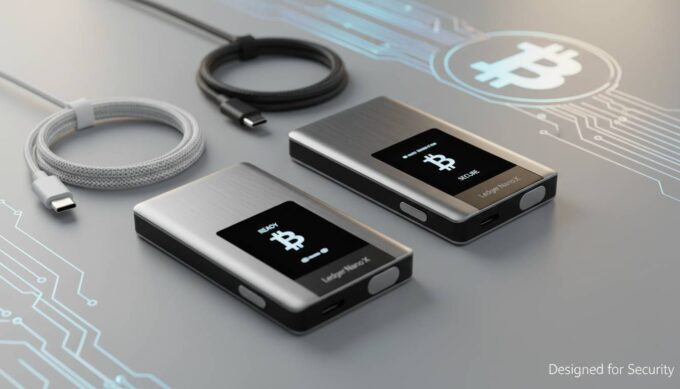
Protecting cryptocurrency holdings requires vigilance and adherence to security best practices. Hardware wallets provide the highest level of security for storing significant Bitcoin holdings, keeping private keys offline and away from potential hackers. Players who maintain balances on poker sites should limit their on-platform funds to amounts they’re comfortable losing, reducing exposure in case of security breaches.
Platform security features deserve careful scrutiny during the selection process. Reputable sites employ industry-standard encryption protocols, maintain segregated user funds, and undergo regular security audits by independent firms. The implementation of provably fair technology represents an additional security measure that allows players to verify that game outcomes are determined by genuine randomness rather than manipulation.
Two-factor authentication (2FA) should be considered mandatory for any account connected to real money gaming or cryptocurrency holdings. This additional security layer requires both a password and a secondary verification method—typically a mobile authenticator application or SMS code—to access the account. Players should enable 2FA immediately upon account creation and avoid sharing authentication codes with anyone.
Password management deserves attention, as weak or reused passwords create vulnerability to account compromise. Each online poker account should have a unique, complex password that isn’t used on other platforms. Password managers facilitate generating and storing strong passwords without the burden of memorization, representing a worthwhile investment in personal cybersecurity.
Payment Processing and Withdrawal Considerations
Understanding cryptocurrency transaction mechanics helps players navigate deposits and withdrawals smoothly. Blockchain confirmations are required before deposited funds become available for play, with most platforms requiring between one and six confirmations depending on the amount deposited. This process typically takes between ten minutes and an hour, though network congestion can extend wait times.
Withdrawal processes vary significantly across platforms. Some sites process withdrawal requests within hours, while others may take several business days to complete. Understanding a platform’s withdrawal policy prevents frustration when attempting to access winnings. Additionally, some sites impose minimum withdrawal amounts or charge fees for cryptocurrency withdrawals, factors that impact overall value.
Exchange rate considerations affect players using Bitcoin, as cryptocurrency prices can fluctuate significantly. A player who deposits Bitcoin when the price is high and withdraws when the price has dropped will realize losses beyond any poker results. Some platforms allow players to maintain balances in stablecoins like USDT, which maintain pegged value to the US dollar and eliminate exchange rate volatility.
Transaction privacy varies based on the cryptocurrency used. Bitcoin’s public ledger means all transactions are traceable, though wallet addresses don’t inherently link to real-world identities. Privacy-focused cryptocurrencies like Monero offer enhanced anonymity but are accepted on fewer platforms. Players concerned about transaction privacy should research which cryptocurrencies their preferred platform supports and understand the implications of each option.
Bankroll Management for Crypto Poker
Effective bankroll management determines long-term success in poker, regardless of whether cryptocurrency or fiat currency is used. The fundamental principle involves playing within one’s financial means and avoiding games where potential losses would cause significant distress. Professional poker players typically maintain bankrolls large enough to withstand normal variance, often recommending 20-30 buy-ins for cash games and 50-100 buy-ins for tournaments.
Bitcoin’s volatility complicates traditional bankroll management calculations. A player who maintains a $5,000 bankroll in Bitcoin could wake up to find that value has changed substantially due to market movements. Some players convert portions of their poker winnings to stablecoins or fiat to reduce cryptocurrency exposure, while others embrace the volatility as part of their overall investment strategy.
Tilt control—the management of emotional responses to losses—becomes particularly important when playing with cryptocurrency. The speed of Bitcoin transactions and the visibility of balance changes can amplify emotional responses to winning and losing streaks. Establishing strict session limits, taking regular breaks, and maintaining realistic expectations about variance all contribute to sustainable poker play.
Tracking results requires additional effort when playing on crypto platforms. Maintaining detailed records of deposits, withdrawals, and session results provides clarity about actual performance. Many players use spreadsheet templates or specialized poker tracking software to monitor their progress and identify areas for improvement.
Frequently Asked Questions
Are crypto poker sites legal in the United States?
The legality of online poker and cryptocurrency gaming varies significantly by state. Some states explicitly permit online poker, while others prohibit all forms of online gambling. The Unlawful Internet Gambling Enforcement Act (UIGEA) of 2006 prohibits financial institutions from processing transactions related to unlawful internet gambling, but it does not directly prohibit individual players from playing online poker. Players should consult state-specific regulations and perhaps legal counsel to understand their local legal environment before playing.
How do I know if a crypto poker site is fair and not rigged?
Reputable crypto poker sites use random number generators (RNGs) certified by independent auditing firms to ensure fair dealing. Some platforms implement provably fair technology that allows players to verify game outcomes using cryptographic algorithms. Look for sites that display certifications from organizations like eCOGRA, iTech Labs, or similar testing agencies. Player reviews and industry reputation also provide insight into a platform’s fairness.
What happens if I lose access to my Bitcoin wallet containing my poker funds?
Losing access to a Bitcoin wallet typically means losing access to the funds permanently, as Bitcoin’s decentralized nature provides no password recovery mechanism. Players should maintain secure backups of their wallet seeds or private keys in multiple safe locations. For funds held on poker sites, account recovery typically follows standard procedures if you lose access to your login credentials, but site-specific policies vary.
Can I play crypto poker anonymously?
While cryptocurrency transactions provide some privacy, most poker sites require identity verification as part of their Know Your Customer (KYC) requirements, which regulations increasingly mandate. Some platforms offer anonymous or semi-anonymous play with reduced verification, but these options are less common. Privacy-focused cryptocurrencies like Monero offer enhanced transaction privacy compared to Bitcoin, though fewer platforms accept them.
What minimum Bitcoin deposit is typically required?
Minimum deposits vary by platform but typically range from 0.001 BTC to 0.01 BTC (approximately $40 to $400 at current prices). Some sites accept smaller deposits, while others require larger amounts for certain promotions or VIP tiers. Always check the specific deposit requirements on your chosen platform, as these amounts can change based on network conditions and platform policies.






Leave a comment