

Mining cryptocurrency at home has evolved from a niche technical hobby into a legitimate way to earn digital assets, though the landscape has changed dramatically since the early Bitcoin days. With the right approach, hardware, and understanding of costs, home mining can still be profitable—but it requires careful planning and realistic expectations about expenses, technical demands, and market volatility.
This guide walks you through everything you need to know about setting up a home mining operation, from understanding the fundamental mechanics to calculating profitability and avoiding common pitfalls that catch beginning miners off guard.
What Is Cryptocurrency Mining and How Does It Work
Cryptocurrency mining is the process by which new digital coins are created and transactions are verified and added to a blockchain ledger. Miners use computational power to solve complex mathematical puzzles, and the first miner to solve the problem gets to add the next block of transactions to the chain, earning cryptocurrency rewards in return.
The underlying mechanism is called Proof of Work (PoW), though some cryptocurrencies use alternative methods like Proof of Stake. Bitcoin, the largest cryptocurrency by market capitalization, remains the most prominent PoW network, but dozens of other coins use similar mining mechanisms.
When you mine cryptocurrency, your hardware performs billions of calculations per second trying to find a hash—a 64-digit hexadecimal number—that meets specific criteria established by the network’s difficulty algorithm. This process secures the network against attacks while simultaneously issuing new coins in a decentralized manner. The difficulty adjusts automatically based on total network hashrate, ensuring blocks are solved at consistent intervals regardless of how many miners participate.
Mining serves three essential functions in cryptocurrency networks: it processes and verifies transactions, it issues new coins into circulation, and it maintains network security through distributed computational work. Without miners, these decentralized networks would lack a mechanism for achieving consensus without a central authority.
Types of Cryptocurrency Mining
Understanding the different mining methods is crucial for determining what approach suits your situation best.
CPU Mining
Central Processing Unit mining uses your computer’s processor to mine cryptocurrency. This was the original method used to mine Bitcoin on ordinary laptops. Today, CPU mining is only viable for certain altcoins with low network difficulty and no ASIC resistance algorithms specifically designed to favor CPU processing. Coins like Monero and RandomX are designed to resist ASIC dominance, making CPU mining more accessible. However, profits are typically minimal, often failing to cover electricity costs.
GPU Mining
Graphics Processing Unit mining utilizes gaming graphics cards to perform the parallel calculations required for mining. GPUs offer significantly higher hashrates than CPUs and remain the most popular choice for home miners. Modern GPUs like the NVIDIA RTX 4090 or AMD RX 7900 XTX can achieve hashrates of 100+ MH/s on Ethereum-based coins, though the transition of Ethereum to Proof of Stake in September 2022 dramatically changed the GPU mining landscape.
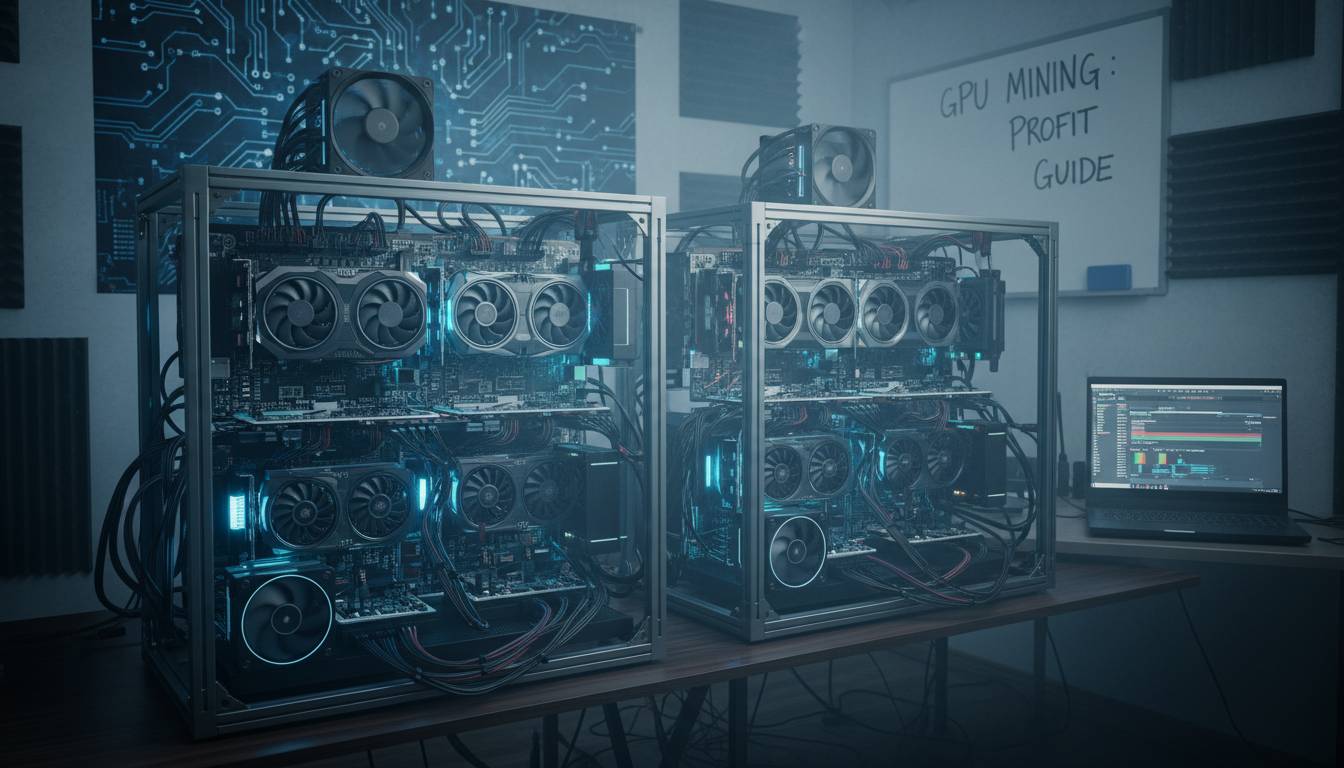
GPU mining rigs typically consist of multiple graphics cards mounted in a frame, connected to a motherboard with sufficient PCIe slots, powered by a robust power supply. The initial investment can range from $2,000 for a basic rig to $10,000 or more for high-end configurations.
ASIC Mining
Application-Specific Integrated Circuit miners are machines designed exclusively for mining specific algorithms. They offer vastly superior performance compared to GPUs but come with major drawbacks: they are expensive (ranging from $2,000 to $20,000+), generate significant heat and noise, and become obsolete more quickly as mining difficulty increases. ASICs also create environmental concerns due to their high energy consumption.
For home miners, ASICs present challenges including noise levels exceeding 80 decibels (comparable to a lawn mower), heat output requiring substantial cooling, and the risk of holding specialized hardware that becomes useless if the target cryptocurrency’s price drops or the network abandons that algorithm.
Cloud Mining
Cloud mining allows you to rent computational power from remote data centers rather than purchasing and maintaining your own hardware. You pay a fee for a contract lasting anywhere from one to five years, and the provider handles all hardware, electricity, and maintenance issues.
While cloud mining eliminates the technical complexity and upfront hardware costs, it carries significant risks. Many cloud mining operations have proven to be Ponzi schemes or have gone bankrupt. Those that are legitimate often offer unfavorable contract terms where your earnings barely exceed the rental costs. The Cryptocurrency Cloud Mining industry has faced numerous fraud cases, with the Federal Trade Commission reporting losses exceeding $1 billion from crypto-related scams between 2021 and 2023.
Best Cryptocurrencies to Mine at Home
Not all cryptocurrencies offer viable home mining opportunities. The following coins represent the most realistic options based on profitability potential, accessibility, and market stability.
| Cryptocurrency | Algorithm | Typical Home Hardware | Profitability (2024) |
|---|---|---|---|
| Bitcoin (BTC) | SHA-256 | ASIC only | Low without major investment |
| Ravencoin (RVN) | KAWPOW | GPU (NVIDIA/AMD) | Moderate |
| Ergo (ERG) | Autolykos | GPU (NVIDIA) | Moderate |
| Flux (FLUX) | Equihash | GPU (high-end) | Variable |
| Monero (XMR) | RandomX | CPU/GPU | Low-moderate |
| Kaspa (KAS) | kHeavyHash | ASIC/High-end GPU | High (GPU-friendly) |
Kaspa has emerged as one of the most profitable options for home miners following its 2023-2024 price appreciation, offering block times of just one second and reasonable GPU mining requirements. Ravencoin remains popular due to its active development and relatively accessible mining requirements.
Hardware Requirements for Home Mining
Building a profitable home mining operation requires careful component selection balancing performance, cost, and operational expenses.
Essential Components
Graphics Processing Unit (GPU): The heart of any GPU mining rig. For Ethereum Classic (ETC), which has become a popular alternative since Ethereum’s transition to PoS, the NVIDIA RTX 4070 offers an excellent price-to-hashrate ratio. For more memory-intensive algorithms, cards with higher VRAM (12GB+) are necessary.
Motherboard: Must have sufficient PCIe slots for your planned GPU count. Consumer-grade boards typically offer 2-4 slots, while server-grade motherboards can accommodate 6-8 or more GPUs.
Power Supply Unit (PSU): Critical for stability and safety. Calculate your total power draw with 20-30% headroom. A 6-GPU mining rig might require 1600-2000 watts continuously.
CPU: Any modern multi-core processor suffices since the GPU performs the mining workload. An Intel Core i5-12400 or AMD Ryzen 5 5600 provides adequate performance.
RAM: 8-16GB of DDR4 memory is sufficient for most mining operating systems and mining software.
Storage: A 120-240GB SSD provides fast boot times and reliable operation.
Mining Frame: Open-air frames allow for better cooling than traditional cases. Prices range from $50 for basic wire racks to $200+ for professional aluminum frames.
Infrastructure Considerations
Electricity costs typically determine whether home mining is profitable. The U.S. average industrial electricity rate is approximately $0.12 per kilowatt-hour (kWh), though rates vary significantly by state—from around $0.08 in states like Texas and Washington to $0.25+ in states like California and New York. Mining rigs consuming 500-1000 watts will add $40-80 to your monthly electricity bill depending on local rates.
Cooling represents another often-overlooked expense. GPU mining generates substantial heat, and inadequate cooling causes thermal throttling that reduces hashrates and shortens component lifespan. Additional fans, air conditioning, or in some cases dedicated cooling solutions may be necessary.
How to Set Up Your Mining Rig
Setting up a home mining operation involves several distinct phases requiring different skill sets and attention to detail.
Phase 1: Hardware Assembly (2-4 hours)
Begin by installing the CPU and cooler on your motherboard, followed by RAM and storage. Mount the motherboard in your mining frame, then install each GPU in available PCIe slots, connecting them with powered risers to prevent motherboard damage from GPU weight and heat. Install your power supply, carefully routing cables to minimize clutter and optimize airflow. Connect all components, ensuring the power supply’s main 24-pin ATX connector and CPU power connector are properly seated.
Phase 2: Operating System and Software (1-2 hours)
Most home miners use specialized mining operating systems like HiveOS, Awesome Miner, or SimpleMining OS. These platforms provide unified management of multiple GPUs, remote monitoring, and automatic driver installation. Alternatively, Windows 11 with GPU drivers offers more flexibility but requires more manual configuration.
Download and configure your mining software based on your chosen cryptocurrency. Popular options include NBminer, T-Rex, TeamRedMiner, and PhoenixMiner. Each supports different algorithms and cards, so research compatibility before proceeding.
Phase 3: Wallet Setup
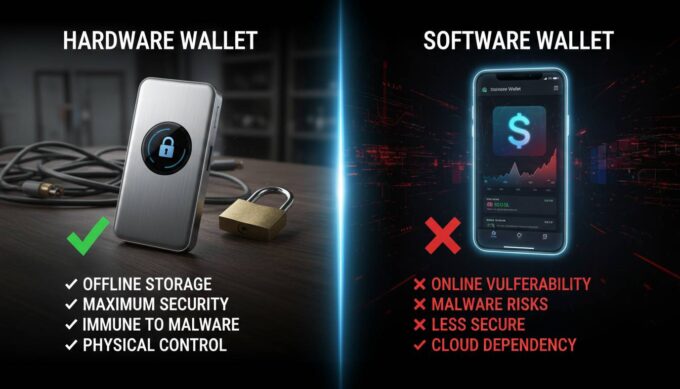
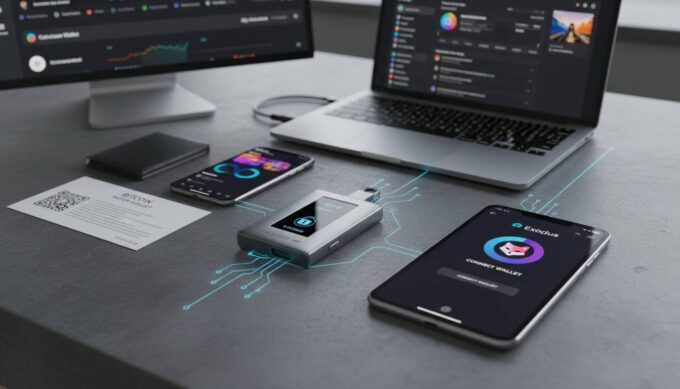
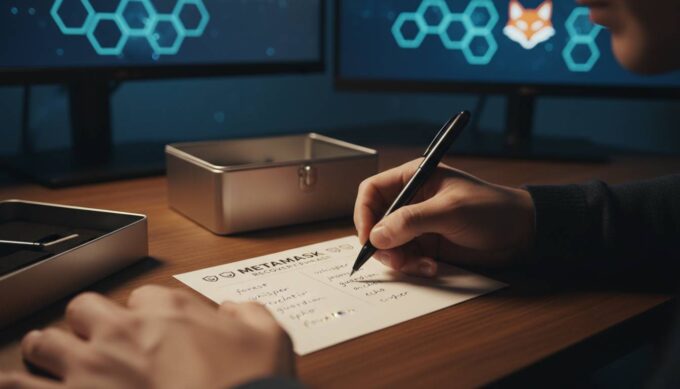
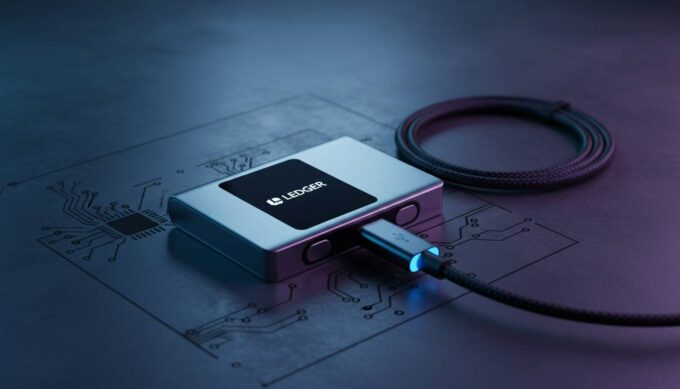
Before mining, you need a cryptocurrency wallet to receive your rewards. Hardware wallets like Ledger or Trezor provide the highest security for long-term storage. Software wallets offer convenience for frequent access, while pool wallet addresses allow you to receive payouts directly to your preferred wallet. Never store significant cryptocurrency values on computers connected to mining software, as malware risks exist.
Phase 4: Pool Configuration (30 minutes)
Solo mining is rarely profitable for home miners due to the enormous competition from industrial operations. Joining a mining pool combines your computational power with other miners, providing more consistent payouts. Popular pools include Ethermine, F2Pool, and ViaBTC, each offering different fee structures and payout thresholds.
Configure your mining software to connect to your chosen pool using the pool’s server address and your wallet address. Start with conservative power limits and hashrate targets, monitoring temperatures and stability before optimizing settings.
Calculating Profitability
Mining profitability depends on multiple interconnected variables that require ongoing assessment.
Key Profitability Factors
Network Difficulty: This metric increases as more miners compete for block rewards, reducing individual payouts over time. Bitcoin’s network difficulty reached an all-time high in 2024, requiring unprecedented computational power for solo miners.
Cryptocurrency Price: Price volatility dramatically affects mining profitability. A 50% price increase can transform an unprofitable operation into a lucrative one, while price drops can instantly eliminate margins.
Block Rewards: Most PoW cryptocurrencies have block reward schedules that decrease over time. Bitcoin’s halving events occur approximately every four years, reducing miner rewards by 50% and historically creating significant market disruption.
Electricity Costs: Your electricity rate directly determines your break-even point. Mining operations in areas with industrial power rates ($0.05-0.08/kWh) enjoy substantial advantages over residential miners paying $0.15+/kWh.
Using Mining Calculators
Online calculators like WhatToMine, NiceHash Profitability Calculator, and CryptoCompare allow you to input your hardware specifications and electricity costs to estimate daily, weekly, and monthly profits. These tools pull current network statistics, difficulty levels, and exchange rates to provide real-time estimates.
However, these calculators only provide snapshots based on current conditions. Network difficulty adjusts approximately every two weeks (for Bitcoin) or more frequently for other networks, and cryptocurrency prices can swing 10-20% daily. Always run sensitivity analyses assuming 20-30% difficulty increases and 20% price declines.
Risks and Challenges
Home mining presents several risks that potential miners must understand before investing.
Financial Risks
The initial hardware investment typically takes 6-18 months to recoup through mining rewards, assuming stable cryptocurrency prices. However, hardware degrades over time, and newer, more efficient equipment can make existing rigs obsolete within 2-3 years. Component failure represents another financial risk—GPUs, PSUs, and motherboards all have failure rates that increase with continuous 24/7 operation.
Technical Risks
Mining software and operating systems require regular updates to maintain compatibility with network changes. Pools occasionally experience downtime or technical issues affecting payouts. Hardware failures can occur without warning, requiring replacement parts and technical knowledge to diagnose and resolve.
Regulatory and Legal Considerations
Cryptocurrency mining faces increasing regulatory scrutiny in some jurisdictions. Several U.S. states have implemented restrictions or increased taxation on mining operations due to concerns about energy consumption and grid strain. The Infrastructure Investment and Jobs Act included reporting requirements for crypto miners, and theSEC has signaled increased enforcement attention to cryptocurrency operations. Additionally, homeowners associations and lease agreements may prohibit commercial mining operations in residential properties.
Tips for Maximizing Success
Experienced miners recommend several strategies to improve outcomes and reduce risks.
First, start small and scale gradually. Begin with a single GPU mining rig before investing in multiple systems. This approach allows you to learn the technical aspects, understand your electricity costs in practice, and gauge profitability without significant capital at risk.
Second, optimize for efficiency rather than maximum hashrate. Reducing power consumption while maintaining acceptable hashrates often yields better profitability than pushing hardware to its limits. Undervolting and power limiting can reduce electricity costs by 20-30% with minimal hashrate reduction.
Third, monitor everything meticulously. Use software like MinerStat, HiveOS, or custom dashboards to track hashrates, temperatures, power consumption, and earnings in real-time. Set alerts for abnormal temperatures or disconnected workers.
Fourth, consider tax implications. The IRS treats cryptocurrency mining as taxable income based on the fair market value of coins received at the time of receipt. Additionally, profits from selling mined cryptocurrency are subject to capital gains tax. Maintaining detailed records of all transactions, electricity costs, and hardware depreciation is essential for compliance and potential deductions.
Fifth, plan for exit scenarios. Cryptocurrency markets are volatile and unpredictable. Establish clear profit targets and exit conditions before investing in equipment. The ability to sell GPUs for reasonable prices on the secondary market provides a partial hedge against becoming stuck with unprofitable hardware.
Frequently Asked Questions
Is mining cryptocurrency at home still profitable in 2024?
Profitability is possible but challenging in 2024. Success depends heavily on your electricity costs, hardware efficiency, and chosen cryptocurrency. Residential miners with electricity costs below $0.10/kWh can potentially profit mining coins like Kaspa or Ravencoin with modern GPU hardware. However, many home miners discover their operations break even or lose money once all costs are accounted for.
How much does it cost to start mining at home?
A basic GPU mining rig with 2-3 cards costs approximately $1,500-3,000 for hardware alone. A more competitive 6-GPU system runs $4,000-8,000. Additional costs include electricity (monitoring your usage carefully), potential electrical upgrades, cooling solutions, and ongoing maintenance. Cloud mining contracts can start as low as $200 but rarely offer good value.
How long does it take to mine one Bitcoin at home?
Mining one Bitcoin at home is effectively impossible for most individuals. At current network difficulty, a single ASIC miner would take decades to find a block independently. Home miners join pools where collective efforts result in small, frequent payouts measured in fractions of Bitcoin. At 10 TH/s (a modest ASIC), you might earn $0.50-2.00 per month depending on the pool and network conditions.
Do I need special internet requirements for mining?
Standard residential broadband is sufficient for mining. The bandwidth requirement is minimal—most mining software uses less than 1 MB per hour. However, a stable connection is essential since pool servers need consistent communication with your mining software. Unexpected disconnections result in lost productivity. A backup cellular connection can provide redundancy for serious miners.
Can I mine on my gaming PC while using it?
While technically possible to run mining software on a gaming PC during idle periods, this approach is generally not recommended. Mining significantly increases power consumption, heat output, and component wear. Additionally, GPU mining can cause visual artifacts or system instability during gaming sessions. If attempting this approach, use conservative power limits and monitor temperatures closely.
What happens when cryptocurrency mining difficulty increases?
Increasing difficulty means your hardware produces fewer coins over time for the same computational effort. This is designed to maintain consistent block times as more miners join the network. The only responses are: earning more coins if prices rise, upgrading to more efficient hardware, reducing electricity costs, or accepting lower profitability. Difficulty increases are a constant pressure on mining profitability.
Conclusion
Mining cryptocurrency at home remains technically possible and occasionally profitable, but the era of easy gains has passed. Modern home mining requires substantial technical knowledge, significant capital investment, and realistic expectations about returns and risks.
The most viable path for home miners in 2024 involves selecting the right cryptocurrency to mine based on current profitability calculations, investing in efficient GPU hardware, and operating in regions with affordable electricity. Kaspa, Ravencoin, and Ergo represent the most realistic options, though this landscape shifts frequently with market conditions.
Before investing in mining equipment, carefully calculate your break-even timeline considering hardware depreciation, electricity costs, and the inevitable increases in network difficulty. Consider starting with a small investment to validate your understanding of the technical and financial aspects before scaling up.
For many individuals, direct cryptocurrency purchase or staking (for Proof of Stake networks) offers simpler exposure to crypto markets without the operational complexity, noise, and electricity costs of home mining. Evaluate all options based on your financial goals, technical comfort level, and risk tolerance before committing to a home mining operation.





Leave a comment