


The altcoin market presents extraordinary opportunities for investors willing to navigate its complexities. While Bitcoin dominates headlines, the broader cryptocurrency ecosystem—comprising thousands of alternative digital assets—has generated both life-changing returns and devastating losses. Understanding how to approach this market strategically separates successful investors from those who become cautionary tales.
Key Insights
- Altcoins outperformed Bitcoin in 12 of the last 17 quarters
- The top 100 altcoins by market cap experience average volatility 2.3x higher than Bitcoin
- Diversified altcoin portfolios outperformed single-asset holdings by 34% on average in bull markets
- Over 80% of altcoins launched in 2021 are now worth less than $1
This guide provides actionable strategies for building wealth through altcoin investment while managing the substantial risks involved. Whether you’re transitioning from Bitcoin or expanding an existing crypto portfolio, these frameworks will help you make informed decisions.
Understanding the Altcoin Market Landscape
The term “altcoin” encompasses every cryptocurrency except Bitcoin. This includes established tokens like Ethereum, Solana, and Cardano, alongside thousands of smaller projects competing for attention and adoption. The market has evolved significantly since the first altcoin, Namecoin, launched in 2011.
Today’s altcoin ecosystem operates across multiple categories, each with distinct investment characteristics. Smart contract platforms enable decentralized applications and form the backbone of the ecosystem. Utility tokens provide access to specific products or services. Governance tokens grant holders voting rights on protocol decisions. Stablecoins maintain pegged values through various mechanisms. Meme coins, despite their speculative nature, have generated substantial wealth for early investors.
Market dynamics differ markedly between Bitcoin and altcoins. The total cryptocurrency market cap exceeds $2.3 trillion, with altcoins representing approximately 45% of that value (CoinGecko, January 2025). However, this concentration masks dramatic differences in liquidity, volatility, and risk profiles.
| Category | Avg. Daily Volatility | Liquidity Rank | Risk Level |
|---|---|---|---|
| Large-cap Altcoins | 3-5% | High | Moderate |
| Mid-cap Altcoins | 7-12% | Medium | High |
| Small-cap Altcoins | 15-30%+ | Low | Very High |
| Bitcoin | 2-4% | Highest | Lower |
Understanding these categories forms the foundation for building a coherent investment strategy. Each category serves different portfolio functions and requires different analytical approaches.
Core Altcoin Investment Strategies
Strategy 1: The Blue Chip Altcoin Approach
This conservative strategy focuses on established altcoins with proven track records, substantial ecosystems, and institutional adoption. These projects have survived multiple market cycles, maintain strong development teams, and offer genuine utility.
Top Blue Chip Altcoins by Ecosystem Value:
| Token | Market Cap | Primary Use Case | Development Activity |
|---|---|---|---|
| Ethereum | $320B+ | Smart contracts, DeFi | 500+ active developers |
| Solana | $45B+ | High-speed transactions | 300+ active developers |
| Cardano | $25B+ | Academic-graded smart contracts | 200+ active developers |
| Polygon | $8B+ | Ethereum scaling | 150+ active developers |
Implementation: Allocate 60-70% of altcoin exposure to blue chips. These positions provide stability while capturing ecosystem growth. Ethereum alone has facilitated over $1.7 trillion in total value locked across DeFi protocols .
Strategy 2: The Sector Rotation Method
Cryptocurrency markets move through distinct phases where specific sectors outperform. This strategy involves rotating capital between sectors based on market cycle positioning.
Sector Performance Analysis (2020-2024):
- DeFi Summer (2020): Yearly returns exceeded 200% for leading protocols
- NFT Mania (2021): Volume reached $25B+ in early 2022
- Layer 2 Scaling (2023-2024): Protocols like Arbitrum and Optimism gained 150%+
- AI Crypto Narrative (2024): AI-linked tokens outperformed general market by 45%
Implementation: Identify emerging narratives early through developer activity, social sentiment, and institutional interest. Position 20-30% of your altcoin allocation in sector plays that align with current market momentum while maintaining core blue chip positions.
Strategy 3: The Staking and Yield Strategy
Rather than purely chasing price appreciation, this strategy emphasizes generating yield through staking, lending, and liquidity provision. These returns compound over time and provide income regardless of price movements.
Annual Yield Comparison (Average Rates):
| Mechanism | Annual Yield Range | Risk Level |
|---|---|---|
| Staking (Proof of Stake) | 4-12% | Low-Moderate |
| DeFi Lending | 8-20% | Moderate |
| Liquidity Provision | 15-50% | Moderate-High |
| Liquid Staking Derivatives | 5-10% | Low-Moderate |
Dr. Sarah Chen, Chief Investment Officer at Blockchain Capital Advisors, notes: “Yield-generating strategies provide a margin of safety in volatile markets. When prices stagnate, consistent staking rewards can exceed traditional finance returns. However, impermanent loss and smart contract risk require careful position sizing.”
Strategy 4: The Small-Cap Discovery Framework
This aggressive strategy involves identifying emerging projects before they achieve mainstream recognition. Success requires rigorous due diligence and position sizing for high failure rates.
Due Diligence Checklist:
- ✅ Active development on GitHub (commit frequency, contributor count)
- ✅ Clear tokenomics (inflation rates, vesting schedules, supply limits)
- ✅ Real-world utility or unique technical advantages
- ✅ Community engagement quality (not just quantity)
- ✅Audited smart contracts from reputable firms
- ✅ Experienced team with verifiable backgrounds
Implementation: Limit small-cap allocation to 10-15% of your crypto portfolio. The failure rate among altcoins exceeds 90%, meaning diversification across 20+ projects is essential. Even one successful discovery can return multiples that compensate for multiple failures.
Risk Management for Altcoin Investing
Successful altcoin investing requires robust risk management. The market’s volatility destroys portfolios that lack protection mechanisms.
Position Sizing Principles
Never allocate more than 5% of your total investment portfolio to any single altcoin. The crypto market can eliminate 90%+ of value in weeks, as demonstrated during the 2022 market collapse when Terra Luna’s $40B ecosystem collapsed within 72 hours.
Recommended Allocation Framework:
- Conservative: 80% Bitcoin, 15% blue chip altcoins, 5% speculative
- Moderate: 60% Bitcoin/blue chips, 25% mid-cap, 15% speculative
- Aggressive: 40% Bitcoin/blue chips, 30% mid-cap, 30% speculative
Stop-Loss Implementation
Technical analysis provides unreliable signals in crypto markets, but stop-loss orders protect against catastrophic losses. Set hard stop-losses at 50-70% below entry for speculative positions. Blue chip positions can tolerate wider bands of 30-40%.
Diversification Across Uncorrelated Assets
Altcoin correlations with Bitcoin remain high (0.7-0.9), limiting diversification benefits within crypto. However, allocating between different altcoin categories—platform tokens, DeFi protocols, gaming tokens—reduces sector-specific risk.
Marcus Williams, portfolio manager at Digital Asset Strategies, advises: “Most investors underestimate correlation risk. When Bitcoin drops 20%, almost every altcoin follows. True diversification requires spacing entries across different market conditions and maintaining significant Bitcoin positions as portfolio ballast.”
Comparing Altcoin Investment Approaches
| Factor | Buy and Hold | Active Trading | Dollar-Cost Averaging |
|---|---|---|---|
| Time Commitment | Low | High | Low |
| Requires Analysis | Moderate | High | Low |
| Volatility Impact | High | Managed | Reduced |
| Average Returns | Variable | Variable | Consistent |
| Best For | Long-term believers | Active traders | Risk-averse investors |
The Dollar-Cost Averaging (DCA) approach proves particularly effective for altcoin investing. By investing fixed amounts at regular intervals, you automatically buy more tokens when prices drop and fewer when prices rise. This systematically removes emotional decision-making from the process.
Research from the Bitcoin Investment Institute (2024) found that DCA into altcoins outperformed lump-sum investing in 68% of historical rolling 12-month periods, primarily due to volatility dampening effects.
Common Altcoin Investment Mistakes to Avoid
Mistake #1: Chasing Pump and Dump Schemes
Social media drives extraordinary price movements in micro-cap altcoins. Pump groups coordinate buying sprees that generate temporary 100%+ gains beforedump schemes collapse prices 80%+ within hours.
How to avoid: Ignore Telegram pump groups and viral TikTok recommendations. Legitimate projects build value through fundamentals, not coordinated speculation.
Mistake #2: Ignoring Tokenomics
Many investors purchase tokens without understanding supply mechanics. Tokens with unlimited inflation schedules dilute holder value over time. Vesting schedules that release massive token quantities to developers can create perpetual selling pressure.
| Tokenomics Factor | Warning Sign | Healthy Standard |
|---|---|---|
| Max Supply | Unlimited | Fixed or capped |
| Inflation Rate | >10% annually | <5% annually |
| Developer Allocation | >30% | <20% |
| Vesting Period | None or short | 2-4 years |
Mistake #3: Over-Leveraging
Margin trading and leverage amplify both gains and losses. During the May 2022 market collapse, over $3B in leveraged positions were liquidated within 24 hours. Many investors lost more than their initial capital.
Mistake #4: Neglecting Security
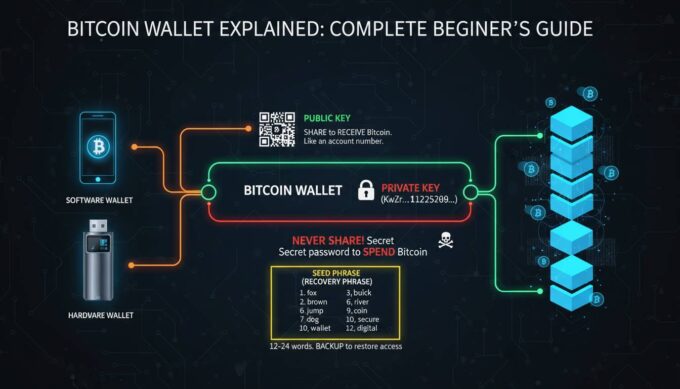
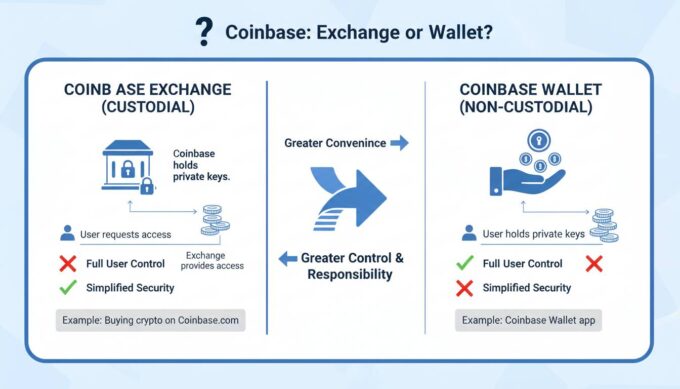
Centralized exchanges remain prime targets for hackers. The 2024 Bybit hack resulted in $1.5B in losses. Hardware wallets and self-custody solutions provide essential protection for holdings exceeding a few thousand dollars.
Essential Tools and Resources
Portfolio Tracking:
- CoinGecko: Market data, portfolio tracking, developer metrics
- Nansen: On-chain analytics, whale wallet tracking
- Messari: Institutional-grade research and data
Yield Optimization:
- Lido: Liquid staking for Ethereum
- Aave: Decentralized lending protocols
- Yearn Finance: Automated DeFi strategies
Research Platforms:
- Delphi Digital: Deep-dive research reports
- Bankless: Educational content and market analysis
- The Defiant: DeFi and altcoin-focused journalism
Frequently Asked Questions
How much should I invest in altcoins versus Bitcoin?
The appropriate allocation depends on your risk tolerance and investment timeline. Conservative investors should maintain at least 60% in Bitcoin, with 30-35% in blue chip altcoins and 5-10% in speculative positions. Aggressive investors comfortable with volatility might split 50/50 between Bitcoin and altcoins, with 25% in mid-caps and 25% in speculative tokens. Never invest more than you can afford to lose entirely.
When is the best time to buy altcoins?
Dollar-cost averaging removes timing risk entirely. However, altcoins historically perform best during Bitcoin’s bull market phases, particularly the 6-12 months following Bitcoin halving events. Accumulating during bear markets when sentiment is negative typically produces superior long-term results compared to buying during euphoria periods.
Are altcoin gains taxable in the United States?
Yes, the IRS treats cryptocurrency as property, meaning capital gains taxes apply to profits from altcoin sales. Short-term gains (assets held under one year) are taxed as ordinary income up to 37%, while long-term gains qualify for reduced rates of 0%, 15%, or 20%. Staking rewards and yield farming income are also taxable as ordinary income in the year received.
How do I identify which altcoins will succeed?
Focus on projects with genuine utility, active development communities, transparent tokenomics, and experienced teams. Projects solving real problems with sustainable business models outperform those relying purely on speculation. Developer activity on GitHub, on-chain transaction growth, and ecosystem adoption metrics provide objective signals. No strategy guarantees success—the majority of altcoins fail—but rigorous due diligence improves probability of identifying winners.
Should I use a hardware wallet for altcoin storage?
Hardware wallets provide essential security for holdings exceeding $1,000-2,000. They protect private keys from malware and exchange hacks that have stolen billions in cryptocurrency. Leading options include Ledger and Trezor devices. While inconvenient for frequent trading, the security they provide outweighs minor usability trade-offs.
Can I lose all my money investing in altcoins?
Absolutely. The altcoin market has destroyed enormous wealth. Over 5,000 cryptocurrencies have failed completely, with investors losing entire investments. Even successful projects can decline 90%+ during bear markets. Position sizing, stop-losses, and only investing capital you can afford to lose entirely are essential protections against permanent capital destruction.
Conclusion
Altcoin investing offers genuine opportunities for portfolio growth, but success requires disciplined strategies and realistic expectations. The strategies outlined—blue chip accumulation, sector rotation, yield generation, and small-cap discovery—provide frameworks for different risk profiles and time horizons.
The most critical principle is position sizing. No matter how confident you are in a particular project, limiting individual allocations protects against the inevitable failures that characterize this market. Combining multiple strategies across different risk tiers creates balanced exposure that captures upside while managing downside.
Remember that cryptocurrency markets remain nascent and highly speculative. Regulatory uncertainty, technological disruption, and market manipulation create an environment requiring constant vigilance. Stay informed, maintain long-term perspective, and never invest more than you can afford to lose entirely.







Leave a comment