

Bitcoin has transformed from a niche digital experiment into a mainstream financial asset worth over $1 trillion in market capitalization. If you’re wondering how to buy Bitcoin in the US, this guide walks you through every step—from selecting the right exchange to securing your first purchase.
Why Buy Bitcoin in 2025
Bitcoin continues to dominate the cryptocurrency market as the first and most valuable digital currency. Understanding why it deserves a place in your portfolio starts with recognizing its unique properties.
What Makes Bitcoin Valuable
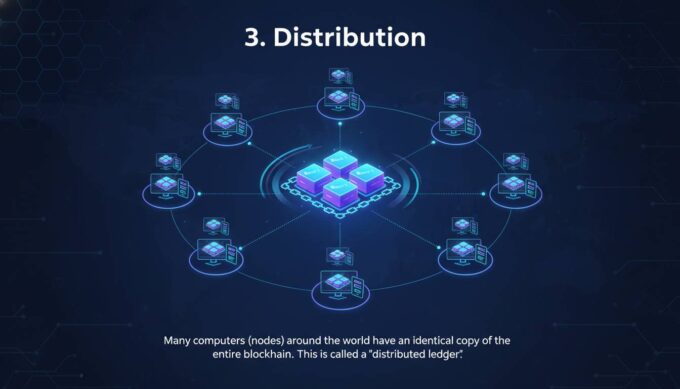
Bitcoin operates on a decentralized network using blockchain technology, meaning no government or central bank controls it. The protocol caps the supply at 21 million coins, creating built-in scarcity that traditional fiat currencies cannot match. This deflationary design has attracted investors seeking alternatives to inflation-prone currencies.
The percentage of American adults owning Bitcoin has grown from approximately 1% in 2017 to over 15% by 2024, according to various surveys. Major institutions including BlackRock, Fidelity, and hedge funds have allocated billions to Bitcoin, legitimizing it as an asset class worth considering.
Benefits of Owning Bitcoin
Portfolio diversification ranks among the top reasons investors add Bitcoin to their holdings. Its low correlation with traditional assets like stocks and bonds can reduce overall portfolio volatility. Accessibility also matters—unlike real estate or private equity, Bitcoin trades 24/7 with minimum investment amounts as low as a few dollars.
Store of value properties have strengthened as institutional adoption grows. Major corporations including MicroStrategy, Tesla, and numerous public companies now hold Bitcoin on their balance sheets, treating it as treasury reserve asset similar to cash or gold.
Types of Bitcoin Exchanges
Selecting the right exchange determines your buying experience, fees, and security. US residents have access to several categories of platforms, each with distinct advantages.
Centralized Exchanges (CEX)
Centralized exchanges act as intermediaries, matching buyers and sellers while holding user funds. These platforms offer the easiest onboarding for beginners and the highest liquidity for large orders.
| Exchange | Best For | Fees | Minimum Purchase |
|---|---|---|---|
| Coinbase | Beginners | 1.49%-3.99% | $2 |
| Binance.US | Low fees | 0.1%-0.6% | $10 |
| Kraken | Advanced trading | 0.16%-0.26% | $5 |
| Gemini | Security focus | 0.35%-2.99% | $0.99 |
| Cash App | Mobile users | 1.75%-2.3% | $1 |
Coinbase dominates US retail trading with over 100 million verified users. Its intuitive interface makes it the default choice for first-time buyers, though higher fees apply. Binance.US offers the lowest trading fees but operates with a more complex interface that works better for experienced users.
Peer-to-Peer Platforms
Peer-to-peer (P2P) platforms like Paxful and LocalBitcoin connect buyers and sellers directly, enabling payment methods including cash deposits, gift cards, and bank transfers. These platforms suit users prioritizing privacy or unable to access traditional exchanges.
P2P trading requires more caution—verification processes exist, but users must evaluate seller reputation scores and use escrow services that hold Bitcoin until payment confirms.
Brokerage Services
Stock trading apps including Cash App, Robinhood, and PayPal now offer Bitcoin purchasing. These services provide the simplest user experience but restrict withdrawals—you typically cannot transfer Bitcoin to your personal wallet. This limitation matters if you want true ownership rather than speculative exposure.
How to Choose the Right Platform
Selecting an exchange requires evaluating several factors beyond just trading fees. Your priorities determine which platform fits best.
Security Features
Two-factor authentication (2FA) should be mandatory on any platform you consider. Leading exchanges also offer hardware security keys, withdrawal whitelisting, and insurance coverage for digital assets held in hot wallets. Gemini and Kraken generally rank highest for security practices among US-based exchanges.
Regulatory compliance matters in the US. Verify that your chosen exchange operates in your state—some platforms restrict services in certain jurisdictions due to varying state regulations.
Payment Methods
Different exchanges support different funding options:
- Bank account (ACH): Lowest fees, 3-7 business days for settlement
- Debit card: Instant but higher fees (often 3%+)
- Wire transfer: Best for large purchases, $10-$25 per transfer
- Cash deposit: Available at select locations through partnerships with convenience stores
Liquidity and Trading Volume
Higher trading volume means faster execution at better prices. Coinbase and Binance.US dominate US volume, while smaller exchanges may offer advantages for specialized trading pairs or lower fees on large orders.
Step-by-Step Guide to Buying Bitcoin
With your platform selected, follow these steps to complete your first purchase.
Step 1: Create and Verify Your Account
Sign up with your email and create a strong password. Complete identity verification—US exchanges require Know Your Customer (KYC) compliance, meaning you’ll submit government-issued ID and often a selfie for facial verification. Verification times range from minutes (Coinbase, Cash App) to several days (Kraken, Binance.US).
Step 2: Fund Your Account
Connect your bank account or add a debit card through the platform’s payment settings. For first purchases, ACH transfers offer the best value despite settlement delays. Bank wires suit urgent or large purchases.
Step 3: Place Your Order
Navigate to the Bitcoin trading page and select your order type:
Market orders execute immediately at the current price—best for beginners. Limit orders let you specify a price target, executing only when Bitcoin reaches your number—useful for buying at lower prices but requiring patience.
Enter the dollar amount or Bitcoin quantity you wish to purchase. Review the total including fees before confirming.
Step 4: Secure Your Bitcoin
After purchase, your Bitcoin sits in the exchange’s wallet. For amounts exceeding what you’re comfortable losing, transfer to a personal wallet—the only way to maintain full control without counterparty risk.
Bitcoin Wallets: Hot vs Cold Storage
Understanding wallet options protects your investment long-term. The distinction between hot wallets (connected to the internet) and cold wallets (offline storage) fundamentally affects security.
Hot Wallets
Hot wallets include exchange-hosted wallets, mobile apps like Trust Wallet, and desktop software. They offer convenience for frequent trading but remain vulnerable to hacking and online threats.
Most losses in cryptocurrency history occurred from hot wallet compromises. Keep only trading amounts in hot wallets—not life savings.
Cold Wallets
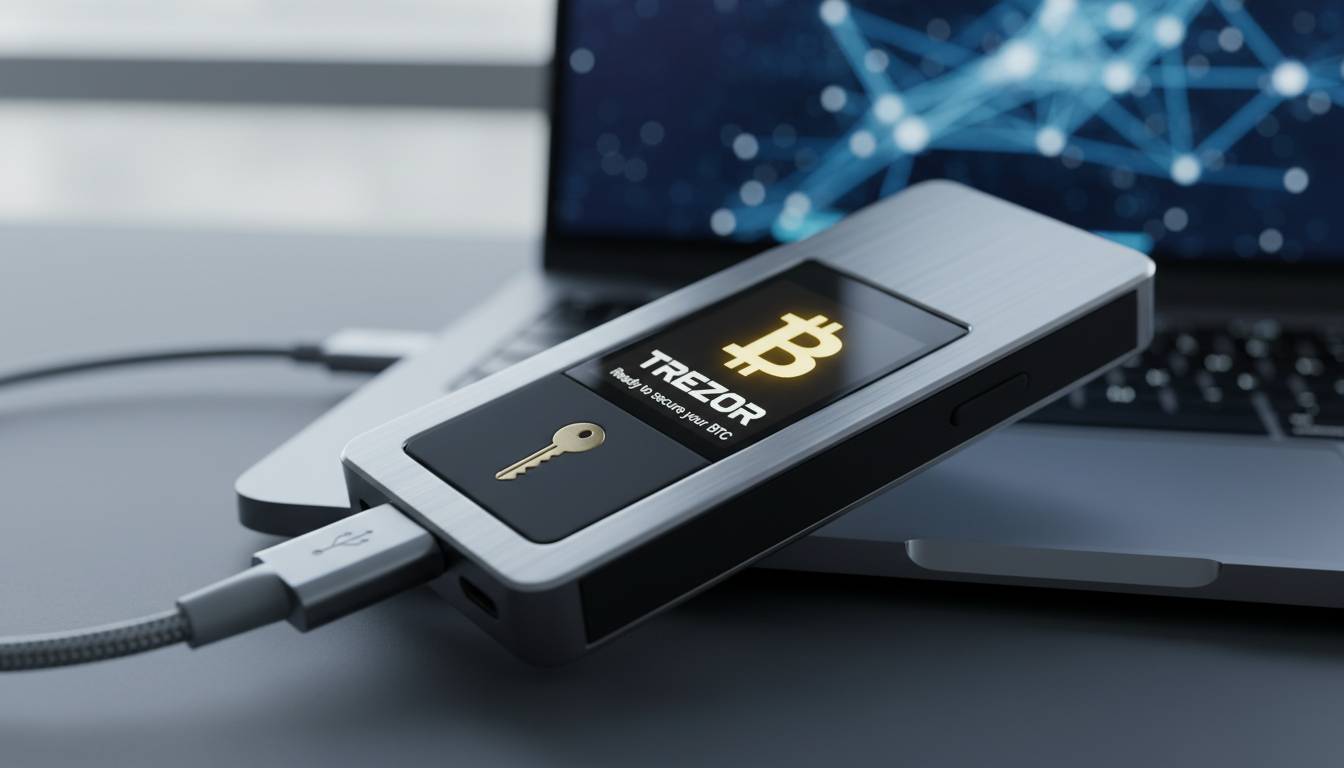
Hardware wallets like Ledger and Trezor store private keys offline, requiring physical access to authorize transactions. These devices cost $50-$250 but provide military-grade security for holdings you plan to hold long-term.
Paper wallets—private keys printed on paper—offer free cold storage but require secure physical storage and introduce human error risks when importing keys.
Custodial vs Non-Custodial
Custodial wallets (exchange-held) provide password recovery options but mean you don’t truly own the Bitcoin—the exchange holds it on your behalf. Non-custodial wallets give you complete ownership but full responsibility for seed phrase backup. Losing your seed phrase means permanent loss with no recovery options.
Common Mistakes to Avoid
New Bitcoin buyers frequently stumble on preventable errors that cost money or create security vulnerabilities.
Buying at peaks happens when investors FOMO (fear of missing out) into Bitcoin near price highs. Dollar-cost averaging—investing fixed amounts regularly regardless of price—smooths volatility and removes emotional decision-making.
Ignoring fees silently erodes returns. Exchange fees, network transaction fees, and spread markups accumulate. A $1,000 purchase with 3% fees costs $30 immediately, while 0.1% fees cost just $1.
Not securing your keys puts your Bitcoin at risk. Exchange hacks have stolen billions in crypto history. Hardware wallets cost less than potential losses.
Forgetting the seed phrase results in permanent loss. Write it down on paper, store it securely (not digitally), and consider multiple secure locations. No legitimate service will ever ask for your seed phrase—anyone claiming otherwise attempts theft.
Tips for Your First Bitcoin Purchase
Starting with small amounts builds familiarity without significant risk. A common recommendation begins with $50-$100 to experience the full process before committing larger sums.
Dollar-cost averaging works particularly well for volatile assets like Bitcoin. Investing $100 weekly for five weeks rather than $500 at once reduces timing risk. Many exchanges offer automatic recurring purchases at no extra cost.
Record your purchase for tax purposes. The IRS treats Bitcoin as property—capital gains taxes apply when you sell at a profit. Keeping transaction records simplifies eventual tax reporting.
Stay updated on regulatory developments. Cryptocurrency regulations continue evolving, potentially affecting how you can buy, sell, or hold Bitcoin. Following reliable sources prevents surprises.
Frequently Asked Questions
What is the minimum amount of Bitcoin I can buy?
Most US exchanges allow purchases starting at $1-$10, making Bitcoin accessible even with small budgets. Some platforms like Coinbase support fractional Bitcoin purchases, meaning you can buy fractions of a single coin rather than whole units.
Is it safe to buy Bitcoin on Cash App or Robinhood?
These platforms are safe for purchasing Bitcoin, but significant limitations exist. You cannot withdraw Bitcoin to your personal wallet—your holdings remain on the platform. This means you cannot transfer to a hardware wallet, use Bitcoin for payments, or fully control your assets. For true Bitcoin ownership, use dedicated cryptocurrency exchanges.
How long does it take to buy Bitcoin?
Bank account (ACH) purchases typically clear within 3-7 business days. Debit card purchases process instantly but carry higher fees. Once your account funds, market orders execute within seconds. After purchase, transfers to personal wallets require Bitcoin network confirmations—usually 10-60 minutes for one confirmation, though exchanges may require more for security.
Do I have to pay taxes on Bitcoin gains?
Yes, the IRS treats Bitcoin as property, not currency. Capital gains taxes apply when you sell, trade, or use Bitcoin for purchases at a profit. Holding Bitcoin without selling incurs no immediate tax. Keeping detailed records of purchase prices, dates, and amounts simplifies tax reporting.
What happens if the exchange goes out of business?
Using reputable, regulated US exchanges reduces this risk significantly. However, keeping all Bitcoin on any exchange creates counterparty risk. The safest approach stores significant holdings in personal hardware wallets, keeping only trading amounts on exchanges. FDIC insurance does not cover cryptocurrency holdings on most exchanges—verify specific coverage if offered.
Can I buy Bitcoin anonymously in the US?
No—US exchanges require identity verification under KYC and AML regulations. Attempting to avoid this through P2P platforms or unregistered services may violate laws and creates significant fraud risk. Legitimate Bitcoin purchases in the US require government-issued identification.
Conclusion
Buying Bitcoin in the US has become increasingly straightforward as the market matures and regulation clarifies. The key lies in choosing reputable exchanges, understanding wallet security, and approaching purchases with a long-term perspective rather than speculative urgency.
Start with a small amount on a user-friendly platform like Coinbase or Cash App to experience the process. As you become comfortable, consider hardware wallets for secure long-term storage and dollar-cost averaging to navigate Bitcoin’s inherent volatility.
Bitcoin represents a new asset class with unique properties—no central authority, finite supply, and global accessibility. Whether as an investment diversifier, inflation hedge, or technological bet on the future, understanding how to safely purchase and store Bitcoin positions you to participate in this evolving financial landscape.





Leave a comment