


Cryptocurrency investment has transformed from a niche technological experiment into a mainstream financial asset class. With over 420 million cryptocurrency users worldwide as of 2024 and institutional adoption reaching unprecedented levels, understanding how to invest in digital assets safely has become essential knowledge for modern investors. This comprehensive guide walks you through everything you need to know to start investing in cryptocurrency with confidence.
What is Cryptocurrency?
Cryptocurrency is a digital or virtual currency that uses cryptography for security and operates on decentralized networks based on blockchain technology. Unlike traditional currencies issued by governments (fiat currencies), cryptocurrencies are typically not controlled by any central authority like a bank or government.
Key Characteristics:
- Decentralization: Most cryptocurrencies operate on distributed ledger technology, meaning no single entity controls the network
- Transparency: All transactions are recorded on public blockchains that anyone can view
- Security: Cryptographic techniques protect transactions and control the creation of new units
- Global Accessibility: Anyone with an internet connection can send or receive cryptocurrency across borders
The first cryptocurrency, Bitcoin, was created in 2009 by an anonymous person or group known as Satoshi Nakamoto. Since then, more than 10,000 different cryptocurrencies have been created, each with unique features, use cases, and investment characteristics.
📊 STATS
• $2.4 trillion – Total cryptocurrency market capitalization
• 420+ million – Global cryptocurrency users (2024)
• 54% – Percentage of US adults who view cryptocurrency as a legitimate investment
Key Takeaways
• Cryptocurrency operates on decentralized blockchain technology
• Bitcoin remains the largest and most recognized cryptocurrency
• Over 10,000 cryptocurrencies exist, but a small fraction have significant trading volume
• The market operates 24/7, unlike traditional stock markets
• Both institutional and retail adoption has accelerated dramatically since 2020
How Cryptocurrency Works
Understanding the fundamental mechanics of cryptocurrency helps you make informed investment decisions. While the technical details vary between different cryptocurrencies, the core principles remain consistent across most digital assets.
Blockchain Technology
A blockchain is a distributed digital ledger that records all transactions across a network of computers. Each “block” contains a group of transactions, and these blocks are chained together chronologically, creating an immutable record.
How Transactions Work:
1. You initiate a transaction using your cryptocurrency wallet
2. The transaction is broadcast to the network
3. Network nodes (computers) verify the transaction using complex algorithms
4. Verified transactions are grouped into a block
5. The block is added to the existing blockchain
6. The recipient receives the cryptocurrency
Wallets and Private Keys
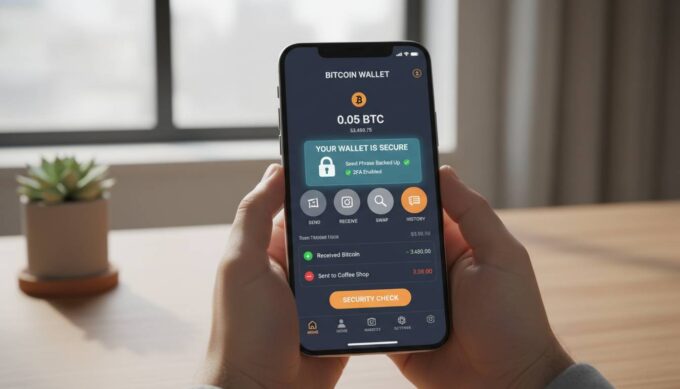
To own cryptocurrency, you need a digital wallet. Wallets come in two main forms:
Hot Wallets: Software-based wallets connected to the internet. They offer convenience for frequent trading but carry higher security risks. Examples include mobile apps, desktop software, and web-based exchanges.
Cold Wallets: Hardware devices that store your private keys offline. They provide superior security for long-term holdings but are less convenient for active trading. Popular options include Ledger and Trezor devices.
Your private key is essentially the password that proves ownership of your cryptocurrency and allows you to sign transactions. Losing your private key means losing access to your funds permanently—there is no password reset option in cryptocurrency.
💡 STAT: Over $200 billion in Bitcoin is estimated to be permanently lost due to forgotten passwords and lost private keys
Benefits of Investing in Cryptocurrency
Cryptocurrency offers several unique advantages that have attracted millions of investors worldwide. Understanding these benefits helps you evaluate whether cryptocurrency fits your investment portfolio.
| Benefit | Impact | Consideration |
|---|---|---|
| 24/7 Market Access | Trade anytime, not limited to market hours | Requires self-discipline |
| High Potential Returns | Some early investors saw 10,000%+ gains | High volatility = high risk |
| Low Barrier to Entry | Start with as little as $1 on many platforms | Start small, learn first |
| Decentralization | Not controlled by governments or banks | Regulatory uncertainty exists |
| Transparency | Public blockchain records all transactions | Learning curve to understand |
| Fast Global Transfers | Cross-border transactions in minutes | Network congestion can delay |
Portfolio Diversification
Adding cryptocurrency to a diversified portfolio can potentially improve risk-adjusted returns. Cryptocurrency often moves independently of traditional asset classes like stocks and bonds, providing genuine diversification benefits. However, correlation between crypto and other assets has increased during periods of market stress.
Historical Performance Context:
Bitcoin has generated average annual returns exceeding 50% since its creation, though with extreme volatility. The cryptocurrency market experienced significant drawdowns of 50% or more multiple times, including in 2018, 2022, and 2024.
Accessibility and Fractional Ownership
Unlike many traditional investments that require substantial minimum investments, cryptocurrency allows you to purchase fractions of a coin. You can buy $10 worth of Bitcoin, for example, rather than needing to purchase an entire coin (which has traded above $60,000).
📈 CASE: MicroStrategy, a publicly traded company, has invested over $8 billion in Bitcoin since 2020, demonstrating institutional adoption of cryptocurrency as a treasury asset.
How to Start Investing in Cryptocurrency
Investing in cryptocurrency involves several concrete steps. This section provides a practical, actionable guide to getting started safely.
Prerequisites
- [ ] Government-issued ID for account verification
- [ ] Bank account or payment method linked to a cryptocurrency exchange
- [ ] Secure internet connection
- [ ] Email address
- [ ] Basic understanding of blockchain fundamentals
Time: 30-60 minutes for account setup | Cost: $0 to start (fees apply to transactions)
Step 1: Choose a Reputable Exchange
Select a cryptocurrency exchange that operates in the United States and complies with local regulations. Major US-based exchanges include:
1. Coinbase
– Best for: Beginners due to user-friendly interface
– Pros: Easy setup, strong security, educational resources
– Cons: Higher trading fees than some competitors
– Rating: ⭐⭐⭐⭐
2. Kraken
– Best for: Those wanting lower fees
– Pros: Competitive fees, wide selection of coins
– Cons: More complex interface initially
– Rating: ⭐⭐⭐⭐
3. Gemini
– Best for: Security-focused investors
– Pros: Strong security features, regulatory compliance
– Cons: Higher fees for small trades
– Rating: ⭐⭐⭐⭐
Step 2: Secure Your Account
After creating your account, implement these security measures immediately:
- Enable Two-Factor Authentication (2FA): Use an authenticator app rather than SMS, as SIM-swapping attacks target SMS-based 2FA
- Create a Strong Password: Use a unique password of 16+ characters with letters, numbers, and symbols
- Set Up Withdrawal Whitelists: Only allow withdrawals to approved addresses
- Use a Hardware Wallet: For holdings exceeding $1,000, consider moving funds to cold storage
⚠️ CRITICAL: Never share your private keys or seed phrase with anyone. Legitimate exchanges will never ask for this information. Over $3.8 billion was stolen from cryptocurrency platforms in 2022 through various attacks .
Step 3: Fund Your Account
Connect your bank account or link a debit card to deposit funds. Bank transfers typically have lower fees but take 1-5 business days to process. Debit card purchases are instant but carry higher fees (typically 3-5%).
Recommended Starting Amount:
Most financial experts recommend investing only what you can afford to lose entirely. For beginners, starting with $100-$500 allows you to learn the mechanics without significant risk.
Step 4: Make Your First Purchase
For beginners, Bitcoin and Ethereum represent the best starting points due to their established track records, high liquidity, and extensive resources for learning.
Order Types:
– Market Order: Buys immediately at the current market price
– Limit Order: Sets your desired purchase price; executes only when the market reaches that level
Step 5: Understand Storage Options
After purchasing cryptocurrency, decide whether to keep it on the exchange or transfer it to personal storage:
Exchange Storage (Hot Wallet):
– Convenient for frequent trading
– You don’t handle private keys directly
– Exposed to exchange security risks
Personal Wallet (Self-Custody):
– You control your private keys
– Higher security if done correctly
– Risk of permanent loss if keys are lost
Troubleshooting:
| Problem | Fix |
|---|---|
| Transaction pending | Wait for network confirmation; check blockchain explorer |
| Can’t verify identity | Ensure ID is clear, try different times of day |
| Bank deposit failed | Verify account number and routing number; contact bank |
| Buying disabled | Complete full account verification; check deposit limits |
Types of Cryptocurrencies to Consider
Not all cryptocurrencies serve the same purpose. Understanding different categories helps you build a diversified portfolio aligned with your investment goals.
Tier 1: Established Cryptocurrencies
Bitcoin (BTC): The original cryptocurrency, often considered “digital gold.” Market dominance: approximately 52% of total crypto market cap.
Ethereum (ETH): The leading smart contract platform, supporting decentralized applications (dApps) and decentralized finance (DeFi).
These cryptocurrencies are recommended for beginners due to their:
– Highest liquidity (easy to buy/sell)
– Most extensive exchange availability
– Longest track record
– Largest communities and resources
Tier 2: Established Altcoins
Solana (SOL): High-speed blockchain with low transaction costs
Cardano (ADA): Research-driven blockchain with academic approach
Polygon (MATIC): Ethereum scaling solution
Tier 3: Riskier Speculative Assets
These include newer cryptocurrencies with higher potential returns but significantly greater risk. Only invest money you can afford to lose entirely.
⚠️ CRITICAL: The majority of cryptocurrencies launched eventually become worthless. Research thoroughly and never invest more than you can afford to lose in any single asset.
Common Mistakes to Avoid
Learning from common errors saves you money and frustration. Here are the most frequent mistakes beginners make:
| Mistake | Impact | Solution |
|---|---|---|
| Investing more than you can afford | Financial stress, forced selling during downturns | Follow the 1% rule: never invest more than 1% of net worth in crypto |
| Chasing pumps | Buying at peaks, selling at losses | Research fundamentals, stick to investment thesis |
| Ignoring security | Theft, lost funds | Use hardware wallets, enable 2FA, never share keys |
| No exit strategy | Emotional decisions, missed profits/losses | Set clear profit targets and stop-loss levels |
| FOMO buying | Overpaying for assets | Wait for corrections, dollar-cost average |
| Ignoring taxes | Penalties, legal issues | Track all transactions, consult tax professional |
Emotional Trading
Cryptocurrency markets are notoriously volatile. Prices can swing 20% or more in a single day. Making investment decisions based on fear or greed typically leads to poor outcomes.
Prevention Strategies:
– Set up automatic purchases (dollar-cost averaging)
– Remove price alerts during high-volatility periods
– Focus on long-term goals rather than daily movements
– Take breaks from checking portfolio value
Tax Considerations
The IRS treats cryptocurrency as property for federal tax purposes. This means:
- Capital Gains Tax: When you sell cryptocurrency for more than you paid, you owe capital gains tax
- Ordinary Income: Receiving cryptocurrency as income (mining, staking, airdrops) is taxed as ordinary income
- Reporting Requirements: The IRS requires you to report all cryptocurrency transactions on Form 8949
Best Practices:
– Maintain detailed records of every transaction including date, amount, and value
– Use tax software specifically designed for cryptocurrency
– Consider consulting a tax professional familiar with digital assets
– Be aware that moving between wallets triggers taxable events in some interpretations
Expert Insights
👤 Michael Saylor, Executive Chairman at MicroStrategy
“Bitcoin is a property, a commodity, a network, and a monetary network. It’s the first digitally native monetary network that exists. If you’re looking for an asset that will maintain its value over time, Bitcoin has demonstrated that property.”
👤 Cathie Wood, Founder and CEO of Ark Invest
“We think Bitcoin is an institutional-quality asset. It’s becoming a macro asset. We’re seeing flows into Bitcoin from sovereign wealth funds, pension funds, and family offices.”
📊 BENCHMARKS
| Metric | Average Investor | Experienced Investor |
|——–|——————|———————|
| Portfolio allocation to crypto | 1-5% | 5-15% |
| Primary holding | Bitcoin only | Bitcoin + Ethereum + others |
| Storage method | Exchange | Mix of exchange + hardware wallet |
| Investment strategy | Lump sum | Dollar-cost averaging |
Conclusion
Investing in cryptocurrency offers genuine opportunities for portfolio growth and financial diversification, but it requires education, caution, and disciplined risk management. Start by understanding the fundamentals, choose reputable US-based exchanges, and begin with small amounts you can afford to lose entirely. Focus initially on Bitcoin and Ethereum before exploring other cryptocurrencies. Prioritize security through hardware wallets and two-factor authentication. Maintain detailed records for tax purposes and consult professionals when needed.
The cryptocurrency market will continue evolving rapidly. Stay informed, remain patient, and avoid making hasty decisions based on short-term price movements. With proper preparation and realistic expectations, cryptocurrency can be a valuable addition to a diversified investment portfolio.
Frequently Asked Questions
Is cryptocurrency safe for beginners?
Cryptocurrency investment carries significant risks including volatility, potential loss of access to funds, and regulatory uncertainty. However, you can minimize risks by using reputable exchanges, enabling strong security measures, and only investing money you can afford to lose entirely. Start with small amounts and focus on learning before increasing your investment.
How much money do I need to start investing in cryptocurrency?
You can start with as little as $1 on most platforms, as you can purchase fractions of cryptocurrencies. Many exchanges have minimum purchase amounts of $2-$10. However, most financial advisors recommend starting with $100-$500 to gain meaningful experience while limiting risk exposure.
Which cryptocurrency should I buy first?
For most beginners, Bitcoin (BTC) and Ethereum (ETH) are recommended as starting points. These have the longest track records, highest liquidity, most extensive exchange availability, and the largest communities for learning. They represent the “blue chips” of the cryptocurrency market.
Do I have to pay taxes on cryptocurrency gains?
Yes, in the United States, cryptocurrency is treated as property by the IRS. You must report capital gains when selling cryptocurrency for more than you paid. This applies even to small transactions. Keep detailed records of all purchases, sales, and transfers throughout the year.
Can I lose all my money in cryptocurrency?
Yes, you can lose your entire investment. Cryptocurrency prices are extremely volatile and can drop 50% or more in short periods. Additionally, you can lose access to your funds permanently if you lose your private keys or seed phrase, or if your exchange is hacked. Never invest more than you can afford to lose entirely.








Leave a comment