

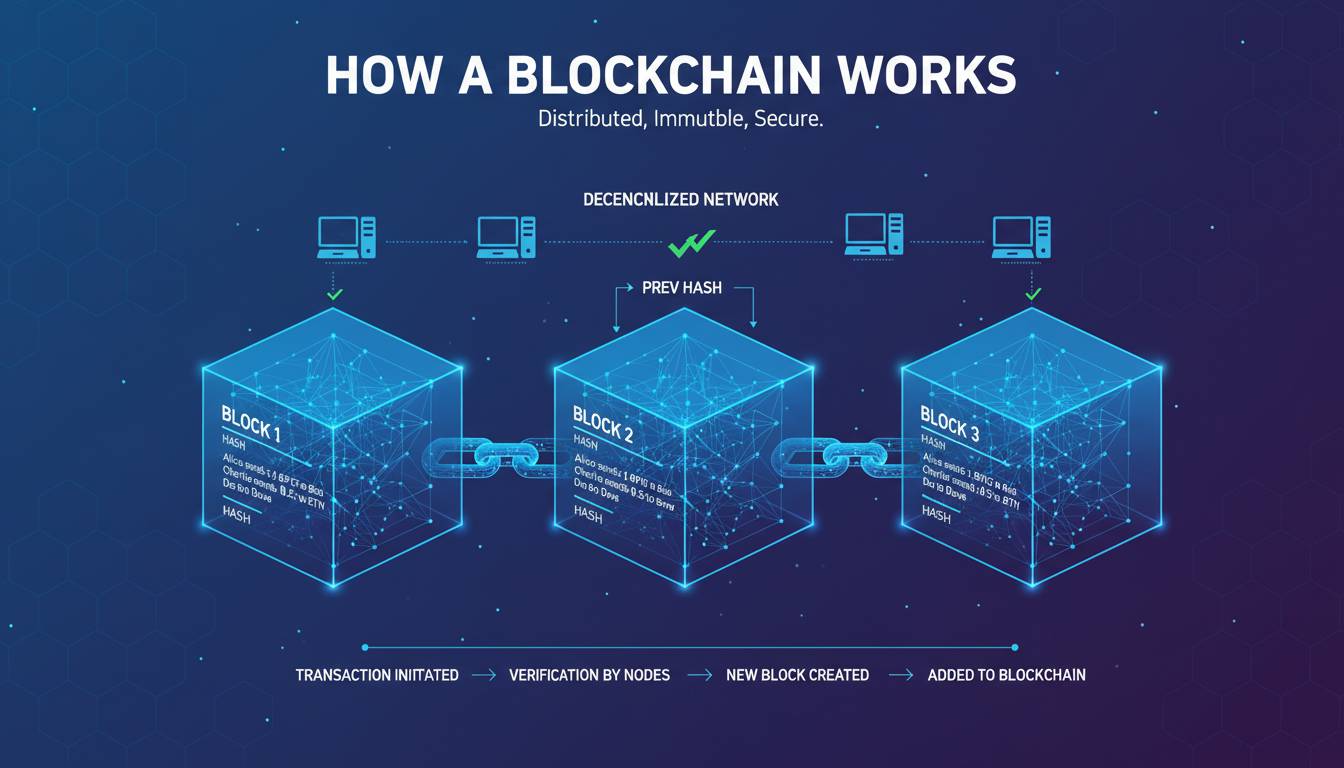
Cryptocurrency represents a revolutionary digital payment system that operates independently of traditional banking infrastructure. Unlike conventional currencies issued by governments and central banks, cryptocurrencies function through decentralized networks based on blockchain technology—a distributed ledger that records all transactions across thousands of computers worldwide. This fundamental difference eliminates the need for intermediaries like banks to verify and process transactions, enabling peer-to-peer transfers that are theoretically faster and more affordable than traditional methods. As of 2024, the global cryptocurrency market has grown to over $2 trillion in total market capitalization, with Bitcoin remaining the dominant digital asset holding approximately 50% of the total market share. For beginners seeking to understand this evolving financial landscape, grasping the core concepts of decentralization, blockchain security, and wallet management provides the foundation needed to navigate cryptocurrency investments responsibly.
📊 STATS
• $2.1 trillion total cryptocurrency market cap
• 420 million global cryptocurrency users
• 50.2% of Bitcoin market dominance
• $85 billion in daily cryptocurrency trading volume
Key Takeaways
• Decentralization: Cryptocurrencies operate on distributed networks without central authority control
• Blockchain Technology: Transaction records are secured through cryptographic hashing and consensus mechanisms
• Volatility Risk: Crypto prices can fluctuate significantly—Bitcoin has experienced 80% drawdowns historically
• Investment Caution: Only invest what you can afford to lose; regulatory frameworks remain evolving
• Utility Beyond Investment: Many cryptocurrencies serve specific purposes like smart contracts, DeFi, and NFTs
Understanding Cryptocurrency: Definition and Core Concepts
Cryptocurrency is a digital or virtual currency secured by cryptography, making it nearly impossible to counterfeit or double-spend. The defining characteristic of cryptocurrency lies in its decentralized nature—no single entity like a government or financial institution controls these networks. Instead, transactions are verified through consensus mechanisms that involve thousands of participants worldwide.
What Makes Cryptocurrency Different from Traditional Currency
Traditional fiat currencies (like the US Dollar or Euro) derive their value from government backing and legal tender status. Central banks control their supply through monetary policy decisions, and traditional banks facilitate transactions through established payment networks like Visa or SWIFT. Cryptocurrency eliminates these intermediaries entirely.
Key Differences:
• Control: No central authority can manipulate cryptocurrency supply or reverse transactions
• Transparency: All transactions are publicly viewable on blockchain explorers
• Accessibility: Anyone with internet access can use cryptocurrency without bank accounts
• Speed: Cross-border transactions settle in minutes rather than days
• Hours: Most cryptocurrency networks operate 24/7, 365 days per year
The Technology Behind Cryptocurrency
Blockchain technology serves as the foundational infrastructure for all cryptocurrencies. A blockchain consists of blocks of transaction data chained together cryptographically. Each block contains three key elements: data (transaction information), a hash (unique digital fingerprint), and the previous block’s hash (creating the chain). This structure makes altering historical records practically impossible without network consensus.
Consensus Mechanisms:
• Proof of Work (PoW): Miners compete to solve complex mathematical puzzles; Bitcoin uses this method, consuming significant energy but providing robust security
• Proof of Stake (PoS): Validators lock up cryptocurrency as collateral; Ethereum transitioned to PoS in 2022, reducing energy consumption by approximately 99.95%
• Delegated Proof of Stake (DPoS): Token holders vote for validators; used by networks like Tron and EOS for faster transaction processing
💡 STAT: Ethereum’s transition to Proof of Stake reduced the network’s energy consumption by 99.95%, making it approximately 2,000 times more energy-efficient than Bitcoin
Major Cryptocurrencies: Beyond Bitcoin
While Bitcoin remains the most recognized cryptocurrency, thousands of digital assets exist with various use cases. Understanding the differences between major cryptocurrencies helps beginners make informed decisions.
Bitcoin (BTC)
Created in 2009 by the mysterious Satoshi Nakamoto, Bitcoin pioneered cryptocurrency and remains the market leader. Designed as digital gold and a peer-to-peer electronic cash system, Bitcoin has evolved primarily into a store-of-value asset rather than daily currency.
Specifications:
• Market Cap: ~$1.1 trillion
• Circulating Supply: 19.6 million BTC (capped at 21 million)
• Block Time: ~10 minutes
• Transaction Capacity: ~7 TPS (transactions per second)
Ethereum (ETH)
Launched in 2015 by Vitalik Buterin, Ethereum introduced smart contracts—self-executing programs that automatically enforce agreements when conditions are met. This innovation enabled the decentralized finance (DeFi) ecosystem and non-fungible tokens (NFTs).
Specifications:
• Market Cap: ~$350 billion
• Use Cases: Smart contracts, DeFi, NFTs, decentralized applications
• Transaction Speed: 15-30 TPS (will increase with future upgrades)
• Inflation: Currently around 3.5% annually (unlimited supply)
Other Notable Cryptocurrencies
| Cryptocurrency | Market Cap | Primary Use | Distinguishing Feature |
|---|---|---|---|
| Tether (USDT) | $120B | Stablecoin | Pegged to US Dollar |
| BNB | $85B | Exchange token | Binance ecosystem |
| Solana (SOL) | $65B | dApps & DeFi | High speed (~65,000 TPS) |
| XRP | $55B | Cross-border payments | Bank partnerships |
| Cardano (ADA) | $25B | Smart contracts | Academic peer-reviewed |
How to Buy and Store Cryptocurrency
Entering the cryptocurrency market requires understanding how to acquire and securely store digital assets. This process has become increasingly streamlined for beginners.
Step 1: Choose a Cryptocurrency Exchange
Centralized exchanges (CEXs) like Coinbase, Kraken, and Binance serve as primary onramps for new cryptocurrency investors. These platforms allow users to purchase cryptocurrency using fiat currency (USD, EUR, etc.) through bank transfers, debit cards, or other payment methods.
Popular US Exchanges:
• Coinbase: Best for beginners, high fees (1.49%-3.99%)
• Kraken: Lower fees, advanced features (0%-0.26%)
• Gemini: Strong security, regulated (0.35%-1.49%)
Step 2: Secure Your Cryptocurrency
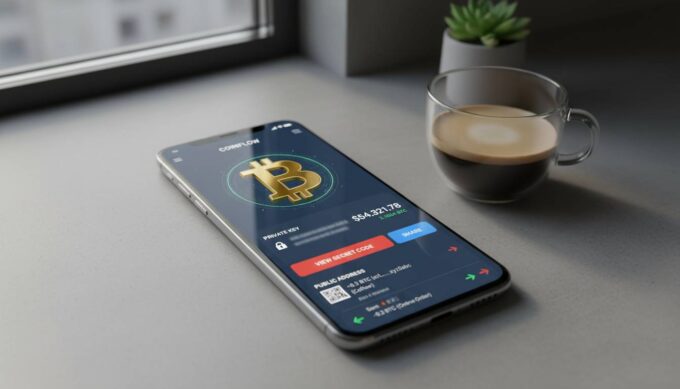
After purchasing cryptocurrency, you must decide how to store it. Cryptocurrency wallets come in two primary forms:
Hot Wallets (Online):
• Connected to the internet for convenient access
• Suitable for small amounts or active trading
• Examples: Exchange wallets, mobile apps (Trust Wallet, MetaMask)
• Risk: Higher vulnerability to hacking
Cold Wallets (Offline):
• Physically disconnected from the internet
• Best for long-term storage and large holdings
• Examples: Hardware wallets (Ledger, Trezor), paper wallets
• Risk: Loss of device or seed phrase means permanent loss of funds
Step 3: Understand Transaction Basics
When sending cryptocurrency, you’ll need:
1. Recipient’s address: A long string of alphanumeric characters unique to their wallet
2. Network fee (gas): Paid to network validators for processing transactions
3. Confirmation time: Varies by network—Bitcoin typically requires 10-60 minutes for finality
⚠️ CRITICAL: Always double-check recipient addresses before sending. Cryptocurrency transactions are irreversible—once sent, they cannot be undone. A single typo can result in permanent loss of funds.
Benefits and Risks of Cryptocurrency Investment
Investing in cryptocurrency offers potential rewards but carries substantial risks that beginners must understand before committing capital.
Advantages of Cryptocurrency
| Benefit | Impact | Consideration |
|---|---|---|
| 24/7 Markets | Trade anytime | Requires self-discipline |
| High Growth Potential | 100x+ returns possible historically | Past performance doesn’t guarantee future results |
| Low Barrier to Entry | Start with $10 or less | Small positions limit upside |
| Global Accessibility | Anyone with internet can participate | Requires technical understanding |
| Transparency | Public ledger verification | Privacy concerns for some users |
Investment Risks
📉 Volatility: Cryptocurrency prices can swing 20-50% within days. Bitcoin dropped 77% from its 2017 peak ($19,800) to its 2018 low ($3,200).
📉 Regulatory Uncertainty: Governments worldwide continue developing cryptocurrency regulations that could impact usage and value.
📉 Security Threats: Hacks, scams, and fraud resulted in approximately $2 billion in cryptocurrency thefts in 2023 (Chainalysis).
📉 Technical Failures: Smart contract bugs, network outages, and lost passwords have resulted in permanent investor losses.
📈 CASE: Early Bitcoin investor Erik Finman turned $1,000 into $4 million by age 18 in 2017, but such returns are exceptional rather than typical.
Common Cryptocurrency Mistakes to Avoid
Beginners frequently make predictable errors that can be avoided through education and careful decision-making.
| Mistake | Impact | Solution |
|---|---|---|
| Investing More Than You Can Afford | Financial hardship | Only invest discretionary income |
| Falling for Scams | Total loss of funds | Verify URLs, never share private keys |
| Ignoring Security | Hacked wallets | Use hardware wallets for significant holdings |
| FOMO Buying | Buying at peaks | Dollar-cost average instead |
| Not Backing Up Wallets | Permanent loss | Write down seed phrases, store securely |
⚠️ CRITICAL: Never share your seed phrase (12-24 word recovery phrase) with anyone. Legitimate services will never ask for this information. Sharing your seed phrase gives scammers complete access to your funds.
Prevent These Errors:
• Research thoroughly before any investment
• Start with small amounts while learning
• Use reputable exchanges and wallets
• Enable two-factor authentication everywhere
• Keep personal information private
Expert Insights on Cryptocurrency Adoption
Understanding professional perspectives helps contextualize cryptocurrency’s role in broader financial systems.
👤 Michael Saylor, Executive Chairman of Strategy (formerly MicroStrategy)
“Bitcoin is the only cryptocurrency that has achieved meaningful network effects, institutional adoption, and sustained performance over more than a decade. It’s digital real estate—scarce, divisible, and transferable.”
Data: Strategy holds over 500,000 BTC (~$34 billion as of 2024), making it the largest corporate Bitcoin holder.
👤 Catherine Wood, Founder and CEO of ARK Invest
“We believe Bitcoin is a foundational technology that could disrupt traditional financial services. Its programmable nature through the Lightning Network could enable entirely new financial products.”
Advice: Focus on long-term utility rather than short-term price movements when evaluating cryptocurrency investments.
📊 ADOPTION BENCHMARKS
| Metric | 2020 | 2024 | Change |
|——–|——|——|——–|
| Bitcoin ATMs Worldwide | 14,000 | 70,000+ | 400%+ |
| Institutional Investors | ~10% | ~60% | Significant growth |
| Merchant Adoption | 2,000+ | 15,000+ | Major retailers |
Tools Every Cryptocurrency Beginner Needs
Having the right tools makes navigating cryptocurrency more manageable and secure.
| Tool | Type | Cost | Best For |
|---|---|---|---|
| Coinbase | Exchange | Free* | Beginners (1.49%+ fees) |
| Kraken | Exchange | Free* | Lower fees (0%-0.26%) |
| Ledger Nano X | Hardware Wallet | $149 | Security |
| MetaMask | Web Wallet | Free | DeFi & NFTs |
| CoinGecko | Tracking | Free | Price monitoring |
*Free for account creation; trading fees apply
Recommended Approach:
• Start: Coinbase for purchasing (beginner-friendly interface)
• Store: Ledger for long-term holdings (cold storage)
• Track: CoinGecko or CoinMarketCap for price information
• Learn: Read whitepapers before investing in any cryptocurrency
Frequently Asked Questions
What is cryptocurrency in simple terms?
Cryptocurrency is a digital form of money that operates on decentralized networks without banks or governments controlling it. Transactions are verified through cryptography and recorded on a public ledger called a blockchain. Think of it like digital cash that you can send to anyone globally without needing a bank to approve the transaction.
Is cryptocurrency safe to invest in?
Cryptocurrency investment carries significant risk due to extreme volatility—prices can drop 50% or more during bear markets. However, using reputable exchanges, enabling security features like two-factor authentication, and storing significant holdings in hardware wallets can mitigate security risks. Never invest money you cannot afford to lose.
How do beginners buy cryptocurrency?
Create an account on a regulated US exchange like Coinbase or Kraken, complete identity verification, link a bank account or debit card, and purchase your chosen cryptocurrency. Start with small amounts while learning, and consider transferring holdings to a personal wallet for better security.
What is blockchain technology?
Blockchain is a distributed digital ledger that records transactions across many computers simultaneously. Each block contains transaction data cryptographically linked to previous blocks, making the record extremely difficult to alter. This technology enables cryptocurrency to function without central authorities.
Do I have to pay taxes on cryptocurrency?
Yes, in the United States, the IRS treats cryptocurrency as property for tax purposes. Capital gains apply when selling crypto for profit, and income tax applies to crypto received as income (mining, staking, payments). Keep detailed records of all transactions for tax reporting.
What’s the difference between Bitcoin and Ethereum?
Bitcoin functions primarily as digital gold and a store-of-value with fixed supply of 21 million coins. Ethereum is a programmable platform enabling smart contracts, decentralized applications, DeFi, and NFTs. Bitcoin prioritizes security and decentralization; Ethereum prioritizes programmability and utility.
Conclusion
Cryptocurrency represents a fundamental shift in how we think about money, ownership, and financial systems. For beginners, the most important approach is education before investment—understanding how blockchain works, knowing the difference between various cryptocurrencies, and recognizing both the potential benefits and substantial risks involved. Start small, use reputable platforms, prioritize security through hardware wallets for significant holdings, and never invest more than you can afford to lose entirely. The cryptocurrency market operates 24/7 and tolerates no hesitation, but it absolutely demands informed decision-making. As regulatory frameworks mature and institutional adoption grows, cryptocurrency will likely become increasingly integrated into mainstream finance—but only for those who take the time to understand what they’re actually investing in.








Leave a comment