


Cryptocurrency is a digital or virtual currency that uses cryptography for security and operates on decentralized networks, typically built on blockchain technology. Unlike traditional currencies issued by governments (fiat currencies), cryptocurrencies are typically not controlled by any central authority like a bank or government. This guide will walk you through everything you need to know about cryptocurrency, from basic definitions to how to get started safely.
📊 STATS
• The global cryptocurrency market cap exceeded $2.5 trillion as of 2024
• Over 420 million people worldwide use cryptocurrency
• Bitcoin, the first cryptocurrency, was launched in 2009 by an anonymous entity known as Satoshi Nakamoto
• There are more than 13,000 different cryptocurrencies in existence
• The U.S. accounts for approximately 15% of global crypto trading volume**
Key Takeaways
• Decentralization: Cryptocurrencies operate without banks or governments, using blockchain technology to verify transactions
• Security: Advanced cryptography secures transactions and controls the creation of new units
• Transparency: Most blockchains are public, meaning anyone can view transaction history
• Volatility: Cryptocurrency prices can fluctuate dramatically within short periods
• Accessibility: Anyone with an internet connection can use cryptocurrency
• Regulation: Regulations vary by country and are evolving rapidly
• Investment Potential: Cryptocurrencies can appreciate significantly but also lose substantial value
Understanding Cryptocurrency: Definition and Basics
Cryptocurrency represents a revolutionary form of digital money that operates on принципиально different principles than traditional currency. At its core, cryptocurrency is a decentralized digital asset that uses cryptographic techniques to secure transactions, control the creation of additional units, and verify asset transfers.
What Makes Cryptocurrency Different
Traditional fiat currencies—like the U.S. dollar, Euro, or Japanese yen—are issued and regulated by central banks and governments. They rely on trusted intermediaries (banks) to process transactions and maintain records. Cryptocurrency eliminates these intermediaries by using distributed ledger technology called blockchain.
Key characteristics of cryptocurrency:
• Decentralization: No single entity controls the network; instead, transactions are verified by a distributed network of computers (nodes)
• Transparency: Transaction records are publicly viewable on the blockchain
• Immutability: Once confirmed, transactions cannot be altered or reversed
• Global Accessibility: Cross-border transactions can be completed quickly without currency conversion fees
• Finite Supply: Many cryptocurrencies (like Bitcoin) have a predetermined maximum supply, potentially protecting against inflation
The Technology Behind Cryptocurrency
Cryptocurrencies rely on several key technologies working together:
Blockchain Technology:
A blockchain is a distributed ledger that records all transactions across a network of computers. Each “block” contains a group of transactions, and these blocks are linked together in a chronological “chain.” This creates an immutable record that is extremely difficult to manipulate.
Cryptographic Security:
Advanced mathematical algorithms secure the network and protect user wallets. Public keys (like an account number) allow others to send you cryptocurrency, while private keys (like a password) authorize outgoing transactions.
Consensus Mechanisms:
Networks use various methods to agree on which transactions are valid. The two most common are:
• Proof of Work (PoW): Miners compete to solve complex mathematical puzzles to validate transactions (used by Bitcoin)
• Proof of Stake (PoS): Validators lock up cryptocurrency as collateral to verify transactions (used by Ethereum)
💡 STAT: Bitcoin’s network processes approximately 7 transactions per second, while some newer blockchains can process over 65,000 transactions per second (Visa processes around 24,000 TPS on average)
How Cryptocurrency Works
Understanding how cryptocurrency functions requires examining several interconnected processes.
Transaction Process
When you send cryptocurrency, the following happens:
- Initiation: You create a transaction using your wallet, specifying the recipient’s address and amount
- Signing: Your private key cryptographically signs the transaction
- Broadcasting: The transaction is sent to the cryptocurrency network
- Verification: Network nodes (miners or validators) verify the transaction is legitimate
- Confirmation: The transaction is added to a block and permanently recorded on the blockchain
- Completion: The recipient’s wallet balance updates to reflect the received funds
Wallets and Keys
To use cryptocurrency, you need a cryptocurrency wallet:
Types of Wallets:
• Hot Wallets: Connected to the internet (mobile apps, web wallets) — convenient but more vulnerable
• Cold Wallets: Offline storage (hardware wallets, paper wallets) — more secure but less convenient
• Custodial Wallets: Third parties hold your keys (exchanges) — easier but you don’t control your keys
• Non-Custodial Wallets: You control your keys — more security but more responsibility
Key Pairs:
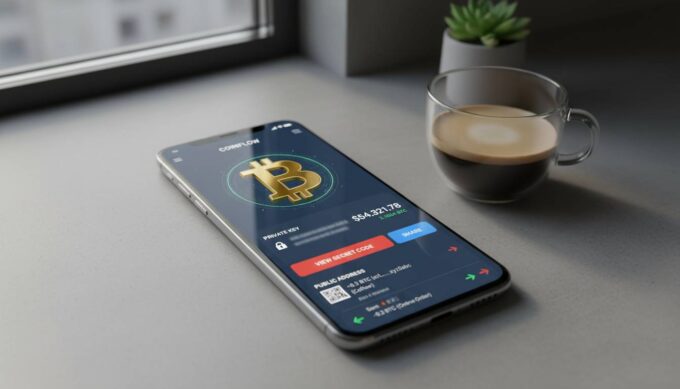
• Private Key: A secret string that authorizes transactions; never share this
• Public Key: Derived from your private key; share this to receive funds
• Seed Phrase: A series of words that can restore your wallet; store this securely offline
Mining and Staking
Creating new cryptocurrency units and securing the network happens through different mechanisms:
Mining (Proof of Work):
Miners use specialized computer hardware to solve complex mathematical puzzles. The first to solve the puzzle gets to add the next block and receives newly minted cryptocurrency as reward. This process secures the network and processes transactions.
Staking (Proof of Stake):
Validators lock up (stake) their cryptocurrency as collateral. They’re randomly selected to create new blocks and validate transactions. If they behave dishonestly, their staked cryptocurrency is confiscated (slashed).
📈 CASE: Ethereum transitioned from Proof of Work to Proof of Stake in September 2022 (called “The Merge”), reducing the network’s energy consumption by approximately 99.95%
Major Cryptocurrencies
The cryptocurrency market includes thousands of digital assets, ranging from well-established coins to experimental tokens.
Comparison of Top Cryptocurrencies
| Cryptocurrency | Symbol | Market Cap (2024) | Primary Use | Mining/Staking |
|---|---|---|---|---|
| Bitcoin | BTC | ~$1.1 trillion | Digital gold, payments | PoW |
| Ethereum | ETH | ~$350 billion | Smart contracts, DeFi | PoS |
| Tether | USDT | ~$95 billion | Stablecoin, payments | N/A |
| BNB | BNB | ~$85 billion | Exchange token | PoSA |
| Solana | SOL | ~$65 billion | dApps, DeFi | PoH/PoS |
| XRP | XRP | ~$55 billion | Cross-border payments | N/A |
Bitcoin (BTC)
Bitcoin remains the largest and most recognized cryptocurrency. Created in 2009, it was the first cryptocurrency and is often called “digital gold.” Bitcoin has a maximum supply of 21 million coins, making it deflationary by design. It’s primarily used as a store of value and increasingly as a payment method.
Ethereum (ETH)
Ethereum introduced smart contracts—self-executing programs that automatically enforce agreement terms. This innovation enabled decentralized applications (dApps), decentralized finance (DeFi), and non-fungible tokens (NFTs). Ethereum is the second-largest cryptocurrency by market cap.
Stablecoins
Stablecoins are cryptocurrencies designed to maintain a stable value by being pegged to assets like the U.S. dollar. Popular stablecoins include Tether (USDT), USD Coin (USDC), and Dai (DAI). They provide the benefits of cryptocurrency with the stability of fiat currency.
Benefits of Cryptocurrency
Cryptocurrency offers several unique advantages over traditional financial systems.
Financial Inclusion
Cryptocurrency can provide banking services to the unbanked. According to the World Bank, approximately 1.4 billion adults globally do not have a bank account, but anyone with a smartphone and internet access can use cryptocurrency.
Lower Transaction Costs
Cross-border cryptocurrency transfers typically cost a fraction of traditional wire transfers. Average Bitcoin transaction fees are approximately $1-5 regardless of amount transferred, compared to $20-50 for international bank wires.
Faster Transactions
Cryptocurrency transactions can be processed in minutes to hours, compared to days for traditional international transfers. Settlement times vary by cryptocurrency—Bitcoin averages 10-60 minutes for confirmation, while some newer chains offer near-instant finality.
Investment Diversification
Cryptocurrencies offer a new asset class for portfolio diversification. Bitcoin and Ethereum have demonstrated potential for significant returns, though with high volatility.
| Benefit | Impact | Source |
|---|---|---|
| Global Accessibility | 1.4 billion unbanked adults can access financial services | World Bank, 2023 |
| Lower Fees | 90%+ reduction in cross-border transaction costs | World Bank, 2024 |
| Faster Settlement | Minutes vs. days for international transfers | McKinsey, 2023 |
| 24/7 Markets | Continuous trading without market hours | Industry Standard |
Transparency and Security
Blockchain’s public ledger allows anyone to verify transactions. Advanced cryptography protects against fraud and unauthorized access. Once confirmed, transactions cannot be reversed, eliminating chargeback fraud.
How to Get Started with Cryptocurrency
If you’re interested in entering the cryptocurrency space, follow these steps to get started safely.
Prerequisites:
– [ ] Government-issued ID for verification
– [ ] Bank account or payment method
– [ ] Smartphone or computer with internet
– [ ] Secure password manager
– [ ] Research completed on your chosen cryptocurrency
Time: 1-2 hours for setup | Cost: Varies (purchase amount + network fees)
Steps
1. Choose a Reputable Exchange
Select a licensed cryptocurrency exchange that operates in your jurisdiction. Major U.S.-based exchanges include Coinbase, Kraken, and Gemini. Consider factors like security, fees, supported cryptocurrencies, and user experience.
⏱ Time: 30 minutes | 💡 Tip: Start with exchanges that have strong regulatory compliance and insurance protection
2. Complete Verification (KYC)
Most exchanges require identity verification as part of Know Your Customer (KYC) regulations. You’ll need to provide personal information and upload identification documents.
3. Secure Your Assets
⚠️ Avoid: Keeping large amounts on exchanges long-term → Fix: Transfer to a hardware wallet for better security
While exchange wallets are convenient for trading, they’re vulnerable to hacks. For amounts you plan to hold long-term (HODL), transfer to a personal wallet:
• Hardware wallets: Ledger or Trezor devices (costs $50-200)
• Software wallets: Exodus, Trust Wallet (free)
• Paper wallets: Printed private keys (for advanced users)
4. Start with a Small Investment
Begin with an amount you can afford to lose entirely. Cryptocurrency is highly volatile—prices can drop 50% or more in short periods.
5. Diversify and Research
Don’t put all your money into one cryptocurrency. Research projects before investing. Consider factors like:
• Team experience and credibility
• Technology and use case
• Community size and engagement
• Market liquidity
• Regulatory status
Troubleshooting:
| Problem | Fix |
|———|—–|
| Transaction stuck | Check network congestion; increase gas fee for faster confirmation |
| Wallet password lost | Use your seed phrase to restore; without it, funds are unrecoverable |
| Sent to wrong address | Transactions cannot be reversed; double-check addresses before sending |
| Exchange account locked | Contact exchange support; complete required verification steps |
Risks and Common Mistakes
Cryptocurrency investing carries significant risks. Understanding these pitfalls can help you avoid costly errors.
| Mistake | Impact | Solution |
|---|---|---|
| Investing more than you can afford | 📉 Complete loss of savings | Only invest what you can afford to lose |
| Not securing private keys | 📉 Permanent loss of funds | Use hardware wallet; store seed phrase offline |
| Falling for scams | 📉 100% loss of funds | Verify all URLs; never share private keys |
| Ignoring taxes | 📉 Penalties and interest | Keep records; consult tax professional |
| FOMO buying at peaks | 📉 Buying at inflated prices | Dollar-cost average; stick to investment plan |
| Not diversifying | 📉 Higher risk exposure | Spread across multiple cryptocurrencies |
⚠️ CRITICAL: The most common way people lose cryptocurrency is through scams, including phishing attacks, fake exchanges, and Ponzi schemes. Never share your private keys or seed phrase with anyone. No legitimate service will ever ask for this information.
Prevent Cryptocurrency Scams:
1. Enable two-factor authentication (2FA) on all accounts
2. Use hardware wallets for significant holdings
3. Verify website URLs carefully—scammers create lookalike sites
4. Never send cryptocurrency to addresses shared unsolicited
5. Be skeptical of guaranteed returns or “once-in-a-lifetime” opportunities
6. Research any project thoroughly before investing
Expert Insights
👤 Michael Saylor, Executive Chairman of Strategy (formerly MicroStrategy)
“Bitcoin is the first and only digital asset that is demonstrably scarce, decentralized, and secure. It has the potential to become the world’s most significant financial asset over the coming decades.”
👤 Vitalik Buterin, Creator of Ethereum
“The blockchain ecosystem is evolving toward greater scalability, privacy, and usability. Layer-2 solutions and new consensus mechanisms will make cryptocurrency more accessible to mainstream users.”
📊 BENCHMARKS
| Metric | Average | Top 10% |
|——–|———|———|
| Annual Bitcoin returns (10-year) | 40% | 85% |
| Portfolio allocation to crypto | 5% | 15% |
| Holding period (HODLers) | 6 months | 3+ years |
| Security practices (2FA enabled) | 45% | 95% |
Frequently Asked Questions
What is cryptocurrency in simple terms?
Cryptocurrency is a digital form of money that uses encryption and operates on a decentralized network called a blockchain. Unlike traditional currencies, it’s not controlled by governments or banks. Transactions are verified by network participants and recorded permanently on a public ledger.
Is cryptocurrency legal in the United States?
Yes, cryptocurrency is legal in the United States. The IRS treats cryptocurrency as property for tax purposes, and several federal agencies regulate different aspects of crypto. However, regulations continue to evolve, and some states have additional requirements for crypto businesses.
How do I safely buy cryptocurrency?
To safely buy cryptocurrency, use reputable, licensed U.S. exchanges like Coinbase, Kraken, or Gemini. Enable two-factor authentication, start with small investments, and consider using a hardware wallet to store your crypto rather than keeping it on the exchange.
What is the difference between Bitcoin and Ethereum?
Bitcoin is primarily designed as a digital currency and store of value, often called “digital gold.” Ethereum is a platform that enables smart contracts and decentralized applications. While both use blockchain technology, Ethereum’s functionality extends far beyond simple transactions to include DeFi, NFTs, and more.
Can cryptocurrency be hacked?
While cryptocurrency networks themselves are extremely secure, exchanges and individual wallets can be vulnerable to attacks. Major exchanges have implemented robust security measures, and hardware wallets provide strong protection. The majority of losses come from user error, scams, and exchange hacks rather than blockchain protocol compromises.
Should I invest in cryptocurrency?
Whether to invest in cryptocurrency depends on your financial situation, risk tolerance, and investment goals. Cryptocurrency is highly volatile and speculative. Only invest money you can afford to lose completely. Many financial advisors recommend limiting crypto to 1-5% of a diversified portfolio.
Conclusion
Cryptocurrency represents a fundamental shift in how we think about money and financial systems. Built on revolutionary blockchain technology, it offers benefits like lower transaction costs, financial inclusion, and increased accessibility. Major cryptocurrencies like Bitcoin and Ethereum have matured significantly, with institutional adoption growing and regulatory frameworks developing.
However, the cryptocurrency space carries substantial risks. Prices are extremely volatile, scams are prevalent, and the technology remains complex for newcomers. Before entering the market, educate yourself thoroughly, start with small investments, and prioritize security. Use reputable exchanges, enable two-factor authentication, and consider hardware wallets for significant holdings.
As with any investment, never money you’re prepared to lose. Cryptocurrency may play an important role in the future of finance, but approach it with caution, knowledge, and realistic expectations.








Leave a comment